
Getting CRM ROI: Align Microsoft CRM to user needs with co-design, standard-first and AI for scalable growth
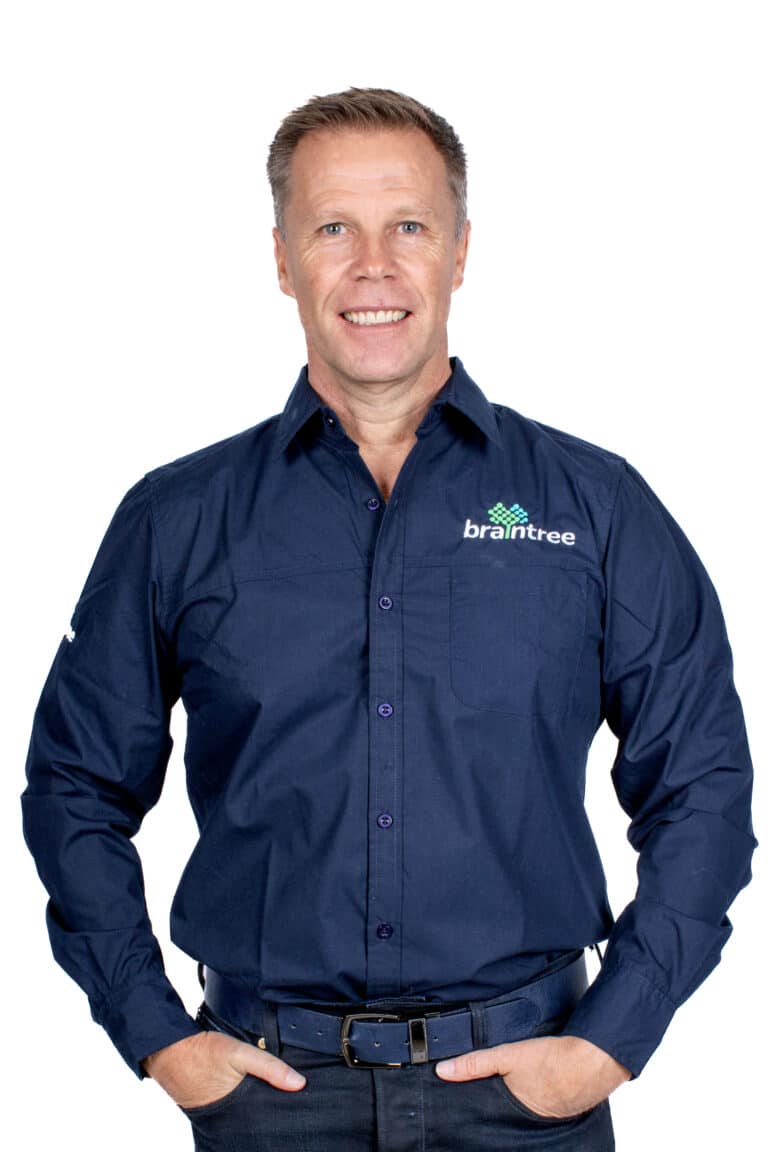
Heath Huxtable, CEO at Braintree, shares how early and ongoing collaboration with end-users, a focus on standard-first design and the intelligent use of AI-driven capabilities, help ensure Microsoft-based CRM platforms deliver measurable ROI while supporting sustainable growth.
How does Braintree work closely with end-users to understand their operational challenges and co-create a CRM roadmap that delivers immediate value while supporting long-term growth?
The core tenet of our approach is that we don’t just deploy a product; we deploy a solution. To do this effectively, we engage with the business – incorporating end-users – long before the deployment process begins. This allows us to understand their specific pain points and operational challenges, ensuring the solution is designed not just for their current needs, but for their future vision.
We aim to be part of the IT strategy for every organisation on an ongoing basis. By establishing a “radar process” or heat map of their long-term goals, we can assimilate that information and devise strategies that support their 5-to-10-year outlook.
This ensures we aren’t just delivering immediate value, but are positioned to help them transition into their next generation of business growth.
How does Braintree engage with end-users early in a CRM project to ensure the solution aligns with how teams actually work day to day?
Upfront engagement with a subset of end-users is a non-negotiable part of our process. Unlike mission-critical systems like ERPs, CRM is often viewed as administrative, meaning that if you don’t get the user experience right, the risk of low adoption is high. To make the system relevant and entrenched, we must secure end-user buy-in by making them part of the design process.
We have learned that relying solely on high-level directives, such as those from a CIO who may not have worked on the floor for years, can be dangerous. If we don’t engage the people actually doing the work, we risk building a solution for a business reality that existed seven years ago, rather than one that aligns with how teams operate today.
What role does ongoing collaboration with end-users play in helping Braintree evolve CRM platforms as business needs and budgets change?
Ongoing collaboration is critical because technology and business landscapes change rapidly. For instance, the launch of Microsoft Copilot just three years ago has already fundamentally reshaped how we engage with customers and systems. As technology changes, the way our customers do business changes, and our solutions must keep pace.
We cannot simply be an implementation partner that walks away after deployment but rather, we strive to be a solution partner that grows with the customer. By maintaining a strategic engagement, we can place emerging trends and budget requirements on a roadmap, helping clients navigate changes – like the explosion of AI assistants – ensuring they get long-term value rather than just a one-off implementation.
How do you balance standardisation with customisation when working with end-users who have very different processes and maturity levels?
Our starting point is to avoid putting “square pegs in round holes”. While we are a Microsoft house, we recognise that the best solution is one with the highest “fit gap” – ideally around 92% standard fit with an 8% gap. The most successful deployments are those with close to zero customisation, relying instead on configuration of the core, native functionality that Microsoft has spent millions testing and perfecting.
When we identify that 8% gap, our first step is to see if it can be mitigated through internal business process changes. Customisation adds a level of complexity and cost that is often overlooked, so it always needs to be the last resort. We are transparent about what the standard solution can do to ensure we don’t “panel beat” a solution just for the sake of a sale.
In a modular CRM approach, how does Braintree help end-users measure value and ROI before deciding to activate additional capabilities?
We focus on measuring value by looking at how readily users can solve problems without incurring heavy development costs. Historically, addressing that “8% gap” might have required expensive custom coding. However, the landscape has changed with the advent of AI.
Today, we can drive ROI by utilising AI agents within the standard application to handle complex tasks. Instead of wasting SLA hours asking developers to build new reports, users can ask a Copilot agent to generate the insights they need. This allows customers to activate additional capabilities and measure value through efficiency and autonomy, rather than through costly, static customisation.
How does close engagement with end-users influence the way Braintree designs, deploys and optimises Microsoft-based CRM solutions over time?
Our post-deployment engagement is primarily strategic. Because Microsoft CRM is a SaaS solution, updates are fed into the ecosystem regularly. It is incumbent on us to analyse these updates and “overlay” them with our customer’s specific landscape to identify which new features are pertinent.
This continuous loop of feedback allows us to constantly optimise the design. We don’t just want to be a vendor discussing price; we want to be integral to the decision-making process. By understanding the customer’s evolving maturity level – and respecting that some may want to take ownership of the solution themselves – we ensure the platform remains the best fit for the organisation over time.
How does Braintree ensure continuous feedback from end-users is built into CRM projects so the platform keeps delivering value long after the initial implementation?
We ensure continuous feedback to prevent the rise of “shadow IT” or “citizen developers” who bypass the system. Often, if a system doesn’t work for a user, they will simply export data to Excel to “panel beat” it into a format that makes sense to them. This creates a disconnect where management sees one reality, but the actual work is happening elsewhere.
By keeping the engagement inclusive and continuous, we ensure the platform reflects the reality of the user. We empower users to use modern tools, like Power Platform and AI agents, within the system, rather than outside of it. This alignment ensures that the reporting executives see matches the operational reality on the ground, keeping the platform valuable and “entrenched” in the business.