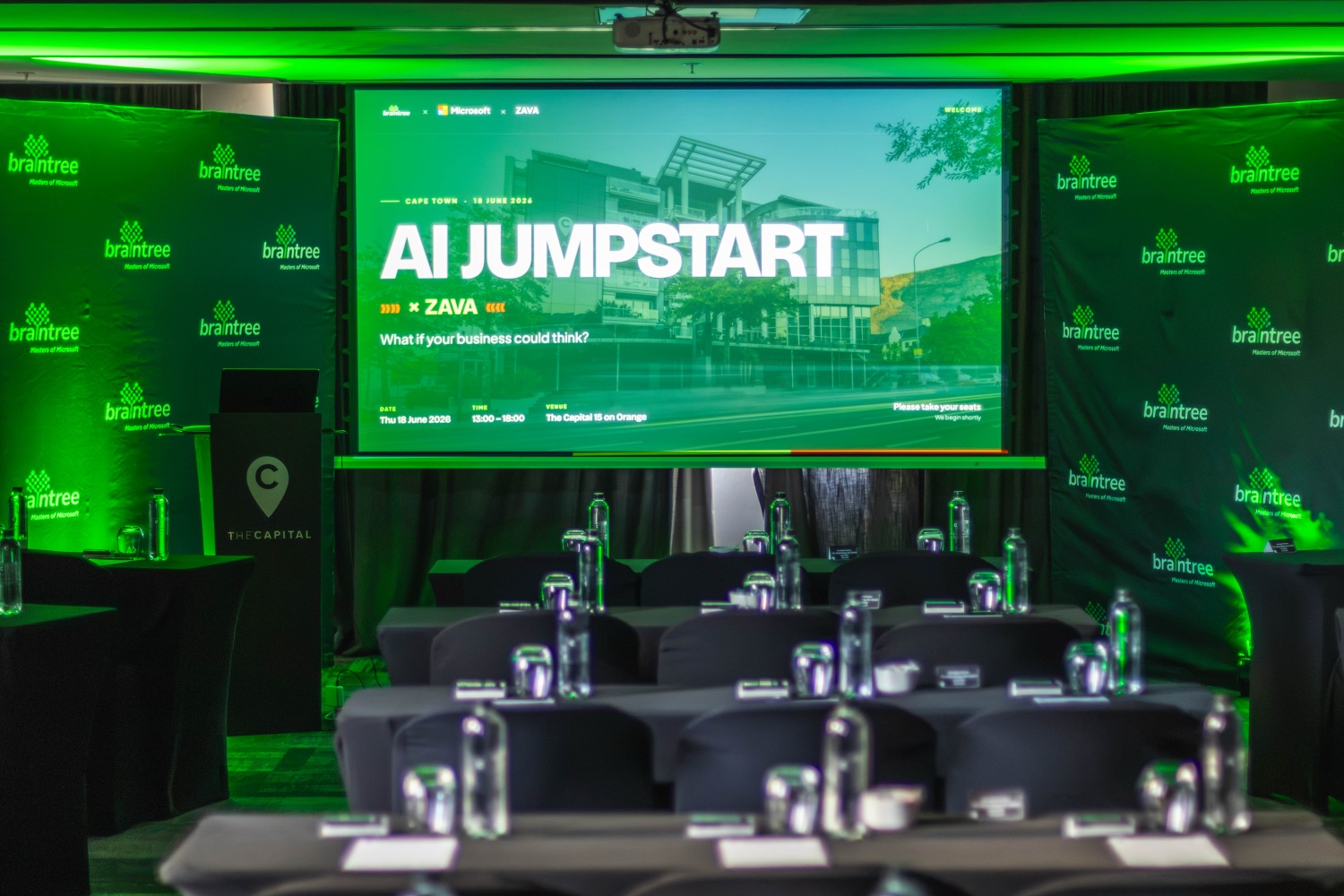
On 18 June, close to sixty business leaders joined us at The Capital 15 on Orange in Cape Town to spend an afternoon with Braintree, Microsoft, and Zava, the AI-first insurer built from day one with no legacy systems to work around. Here is what stuck.

Setting the scene
We built AI Jumpstart around one honest question: what if your business could actually think? Not a slogan. A working session. Sixty people from South African businesses across insurance, retail, healthcare, professional services, and manufacturing spent an afternoon with us instead of a morning webinar.
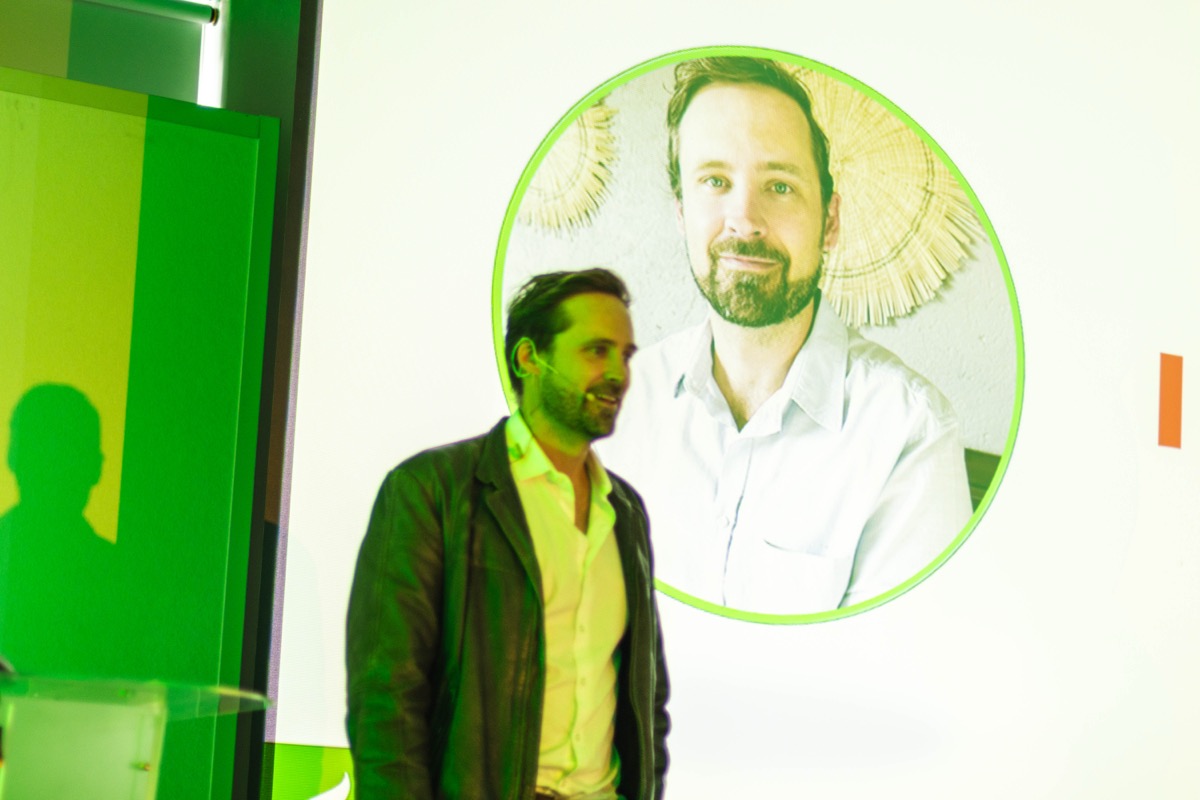
Microsoft joined us to talk about the frontier of what their own platform can do. Zava, an insurer built entirely on AI from day one with nothing legacy to migrate away from, walked the room through what an AI-first company actually looks like in production, not in a slide. Our own team closed the loop with two working programmes: AI Jumpstart and AI Foundation.
Why Zava mattered in the room
Most AI conversations in South African boardrooms start from an existing stack. Zava does not have that problem, and that made their session useful in a different way. They are not a case study in retrofitting AI onto an old system. They are what a company looks like when AI was the starting assumption, not the addition.
That framing did a lot of work for the room. It moved the conversation away from "should we use AI" and toward the harder, more useful question: what would we build differently if we started today.
"If you are really in this space of not knowing what to do and where to go next, I would really approach Braintree."
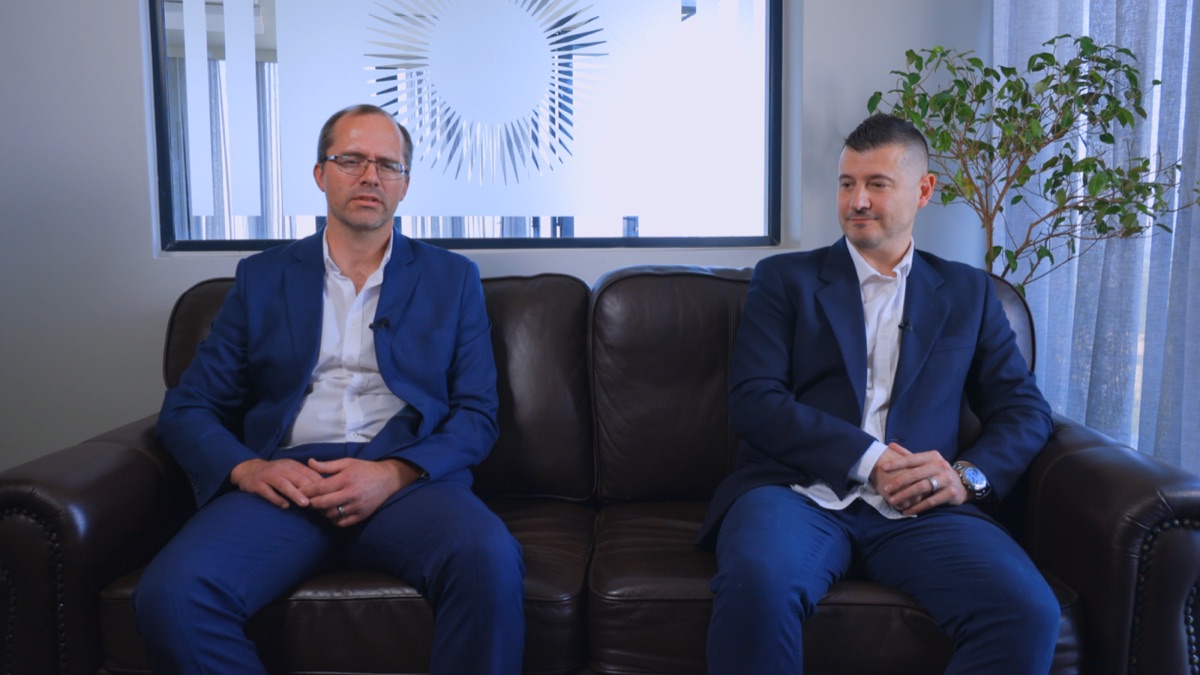
Lincoln O'Ehley, General Manager, MedQuoteBioforum, a biometric contract research organisation running clinical trial data on Azure AI with Braintree, was the reference case in the room for what a regulated, real-world AI deployment actually looks like once it is live. If you want the detail behind that story, it is documented on our site as a standalone case study.
Three things worth taking home
Between Chris, Doug, and the room's own questions, three things kept coming back.
Start where you actually are.
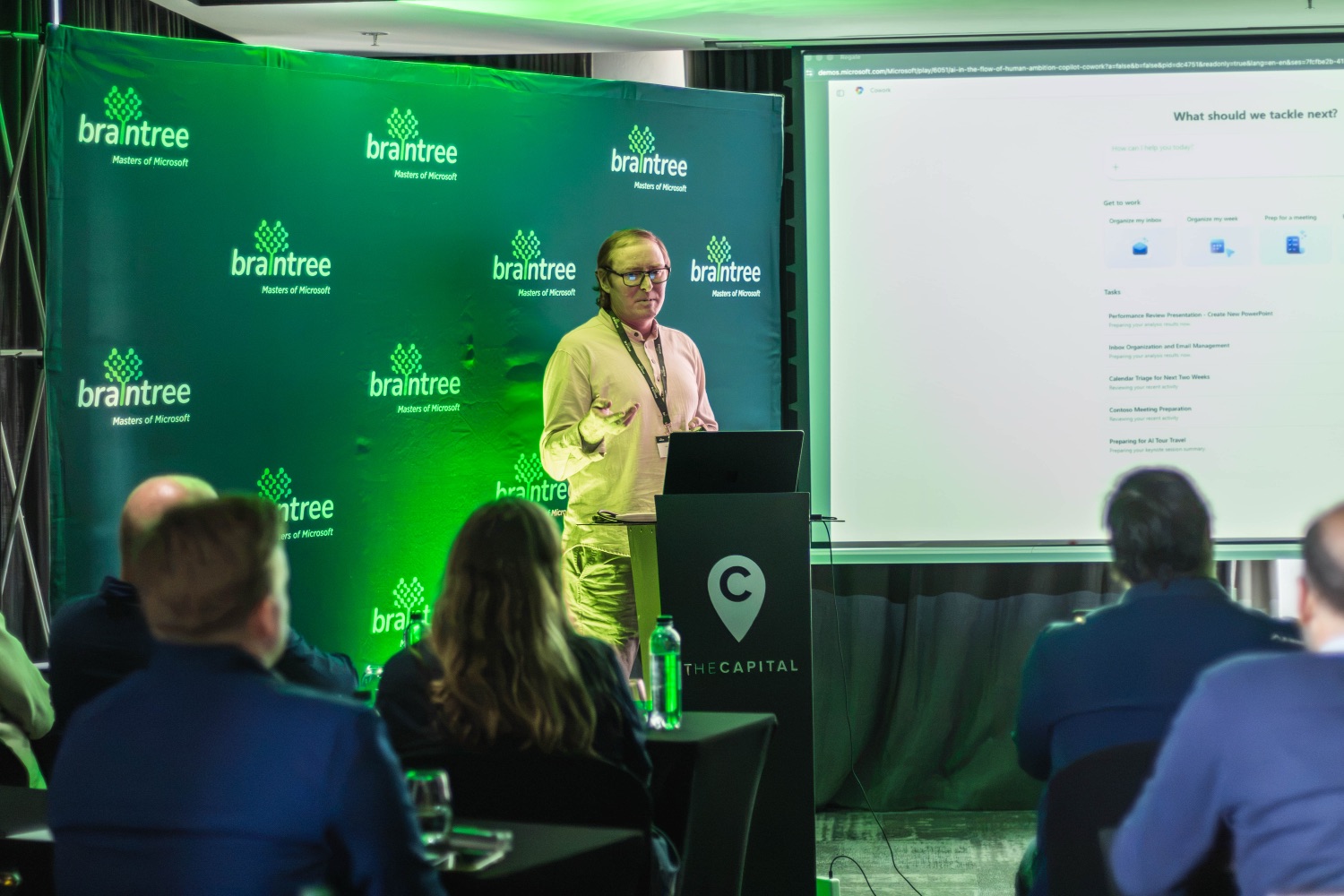
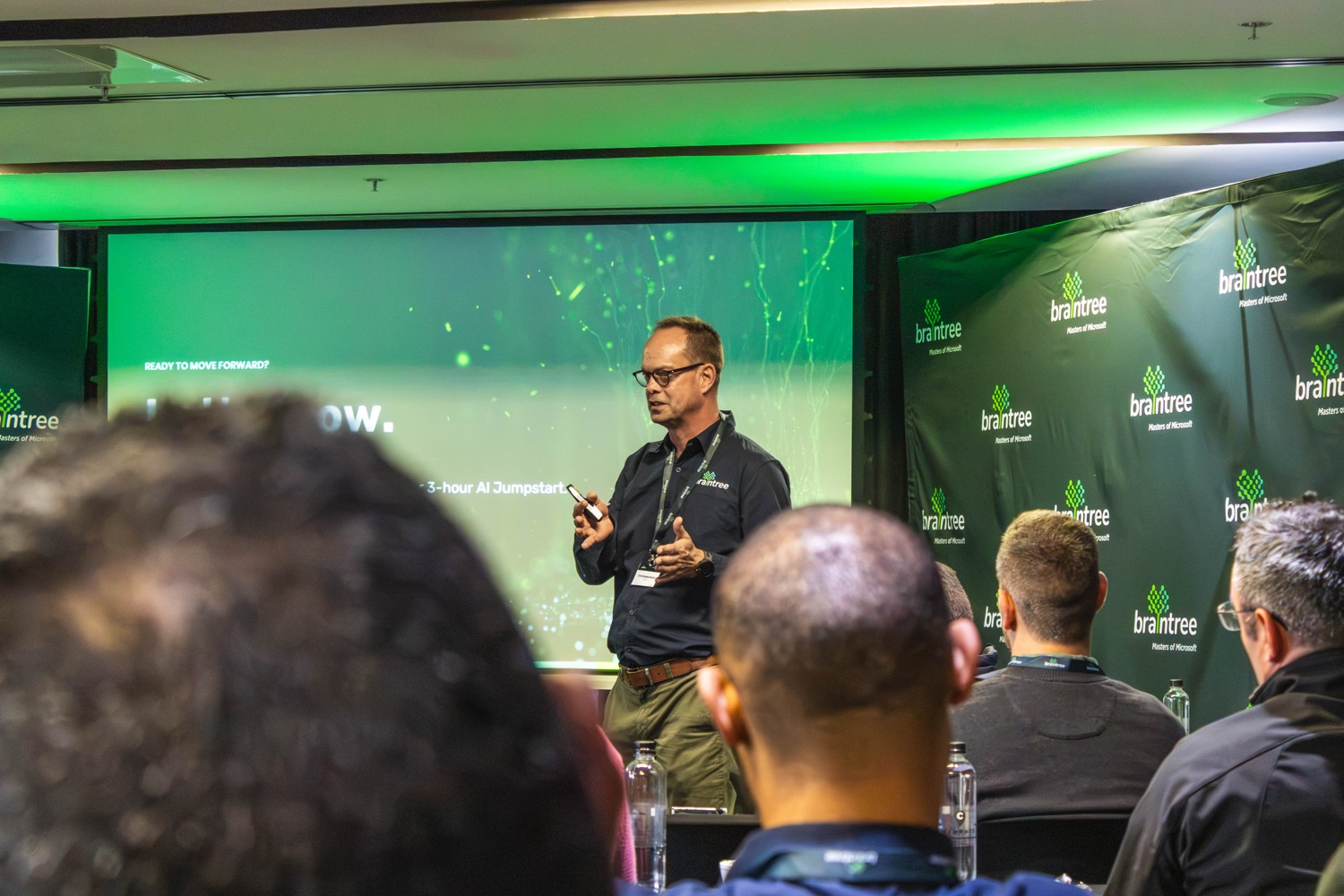
Chris Badenhorst, our CTO, opened with the honest version of AI Jumpstart: it takes a business from absolutely no AI strategy to a first real AI workload. No prior transformation programme required. No perfect data estate assumed. Just a willingness to begin, and three hours to map the route from where you are to where you want to be.
Fund the agent like infrastructure, not a one-off project.
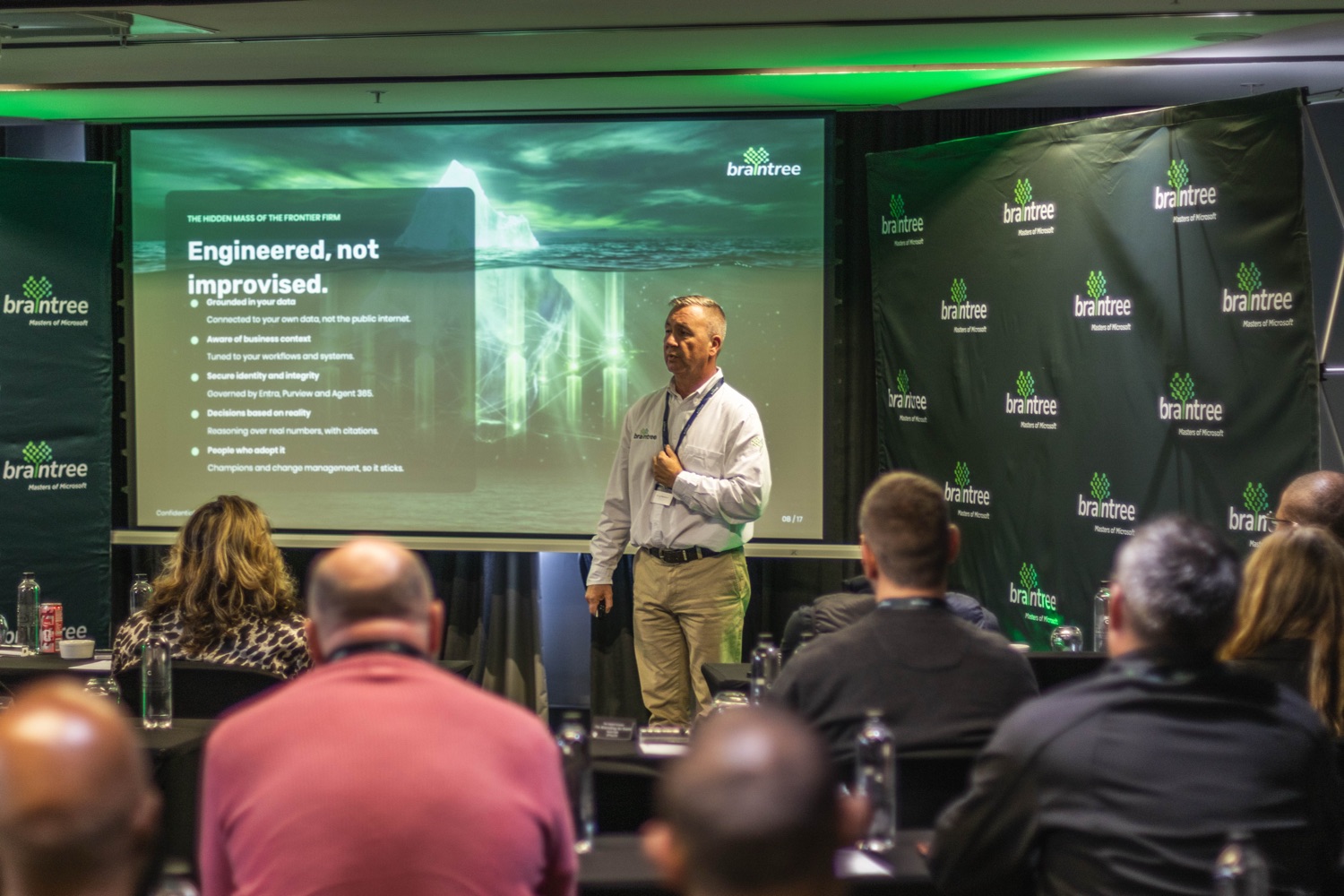
Doug Morrison, our VP of Modern Work, walked the room through AI Foundation, the step that follows Jumpstart. His point on financing landed hardest: building your first agent properly is expensive, so pay for it the way you would pay for any critical infrastructure, over time, with continuous training built into the cost, growing as your team's use of it grows.
The hardware conversation is not optional.
Lance Watson, our Head of Marketing and the afternoon's host, closed with a point that surprised a few people in the room: an AI strategy that ignores the devices your team actually works on is an incomplete strategy. Hardware-as-a-service came up specifically because the technology conversation and the hardware conversation have to happen together, not as an afterthought once the software decision is made.
What stayed with us
"We had really great discussions around AI technology and where we're going with this in business," Lance said afterward. "Everybody attended, we had a great turnout, great attendance, and real conversations."
He closed with the line that is probably the truest measure of whether an afternoon like this worked: hopefully this time next year, a couple of AI-led companies will trace back to a room in Cape Town on 18 June.
Take the deck with you
Everything Chris and Doug walked through, AI Jumpstart, AI Foundation, and the roadmap between them, is in the deck. If you could not make the room, send it to the colleague who could not either.
Download the AI Jumpstart deck (PDF)In the room
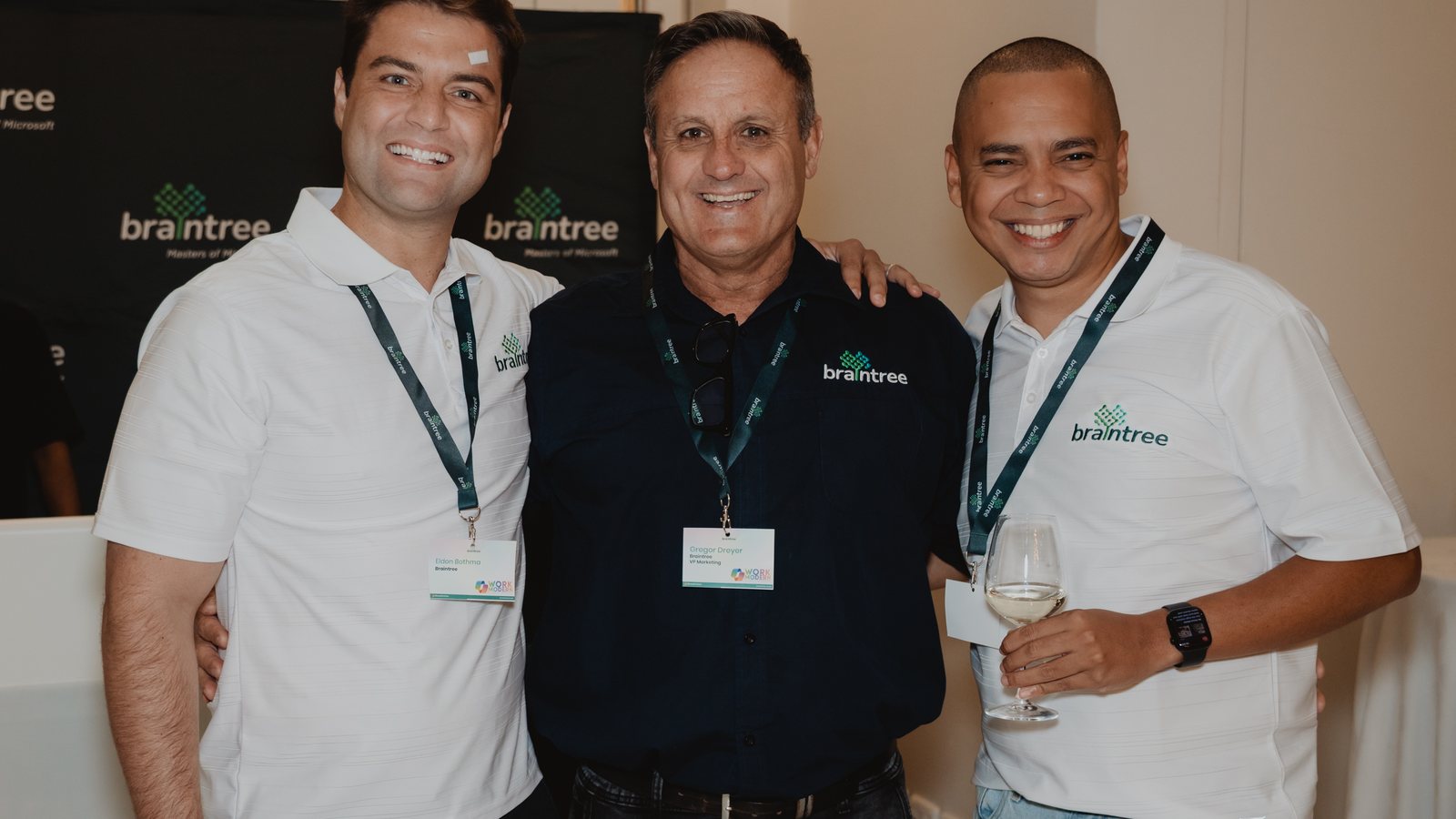
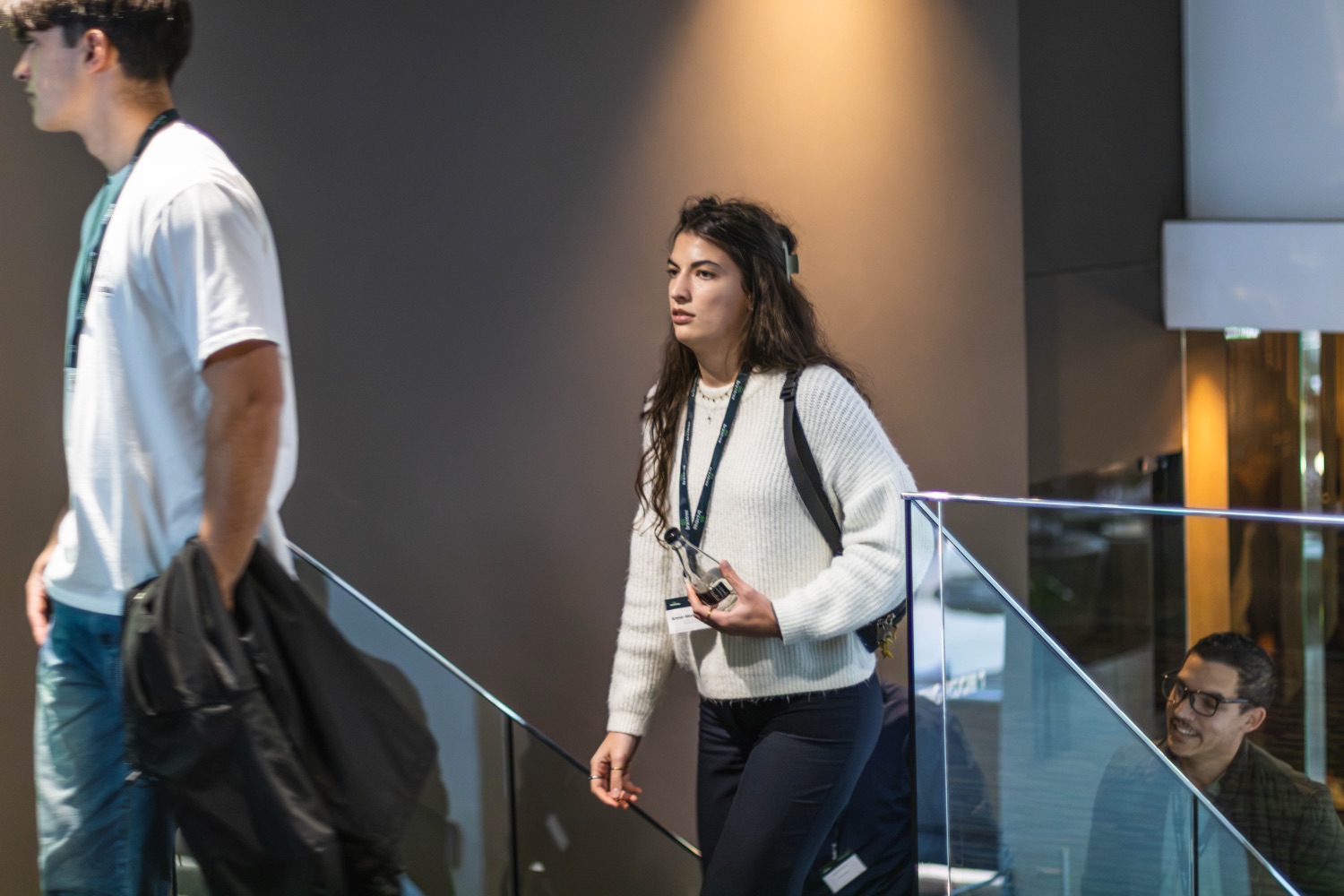
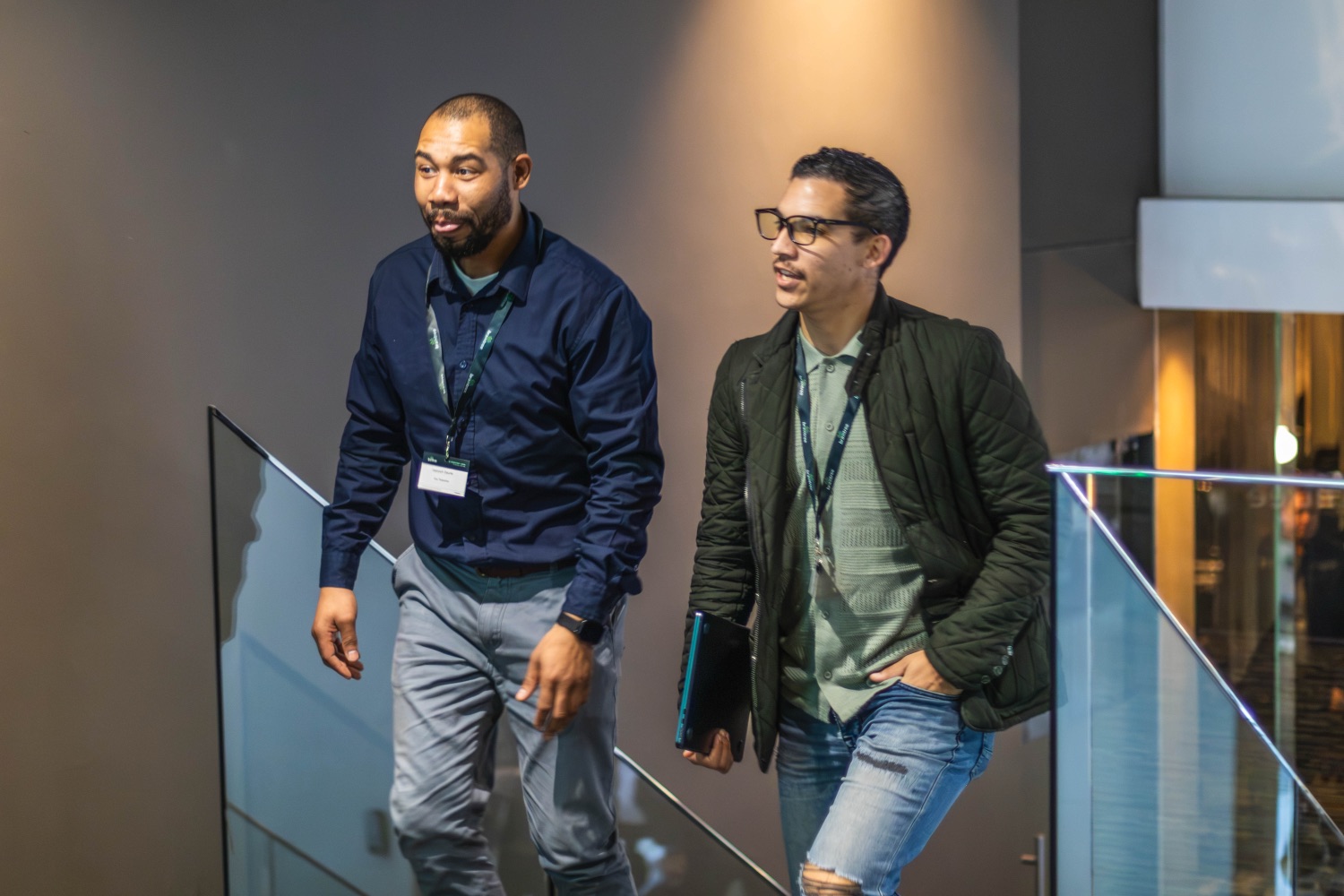
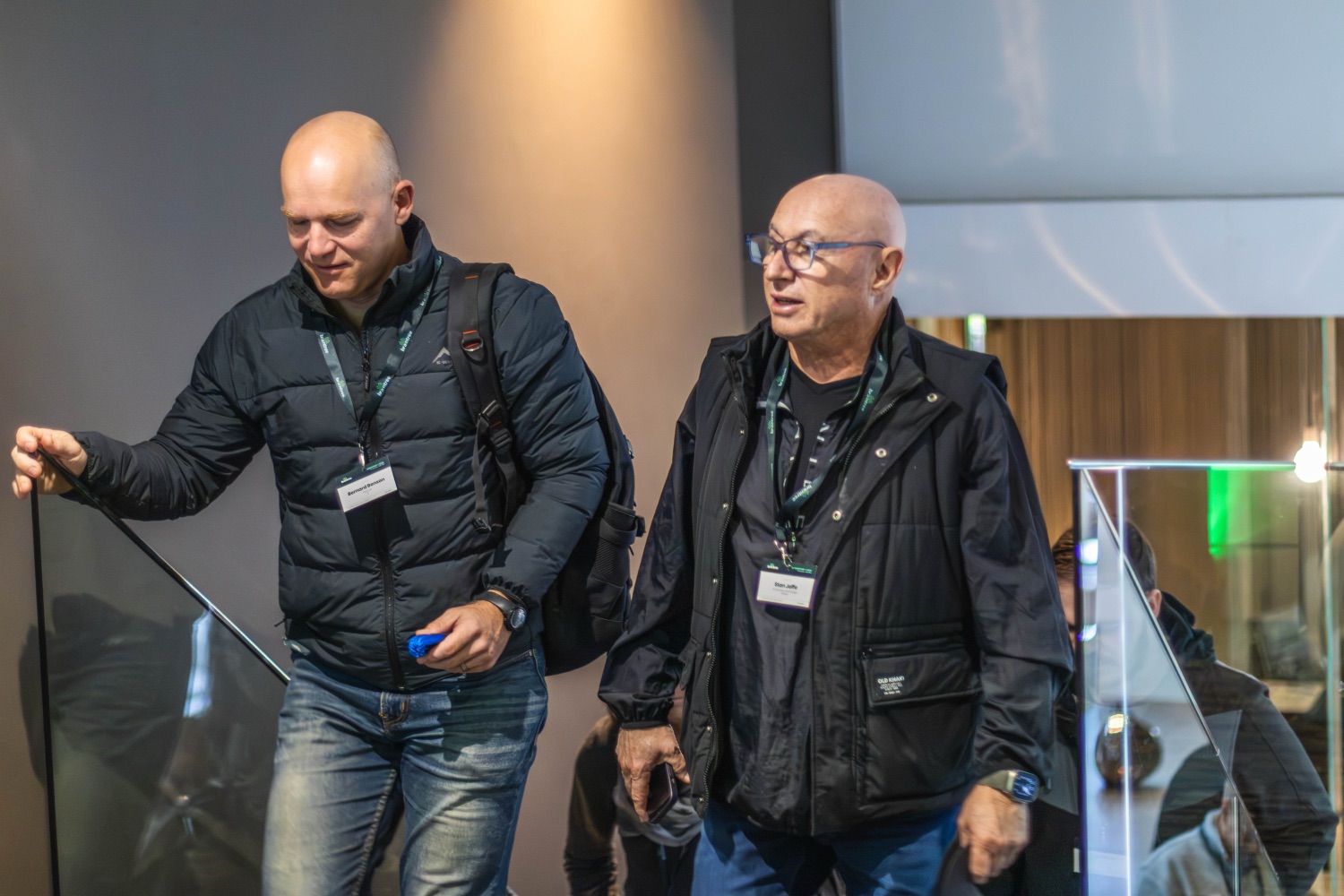
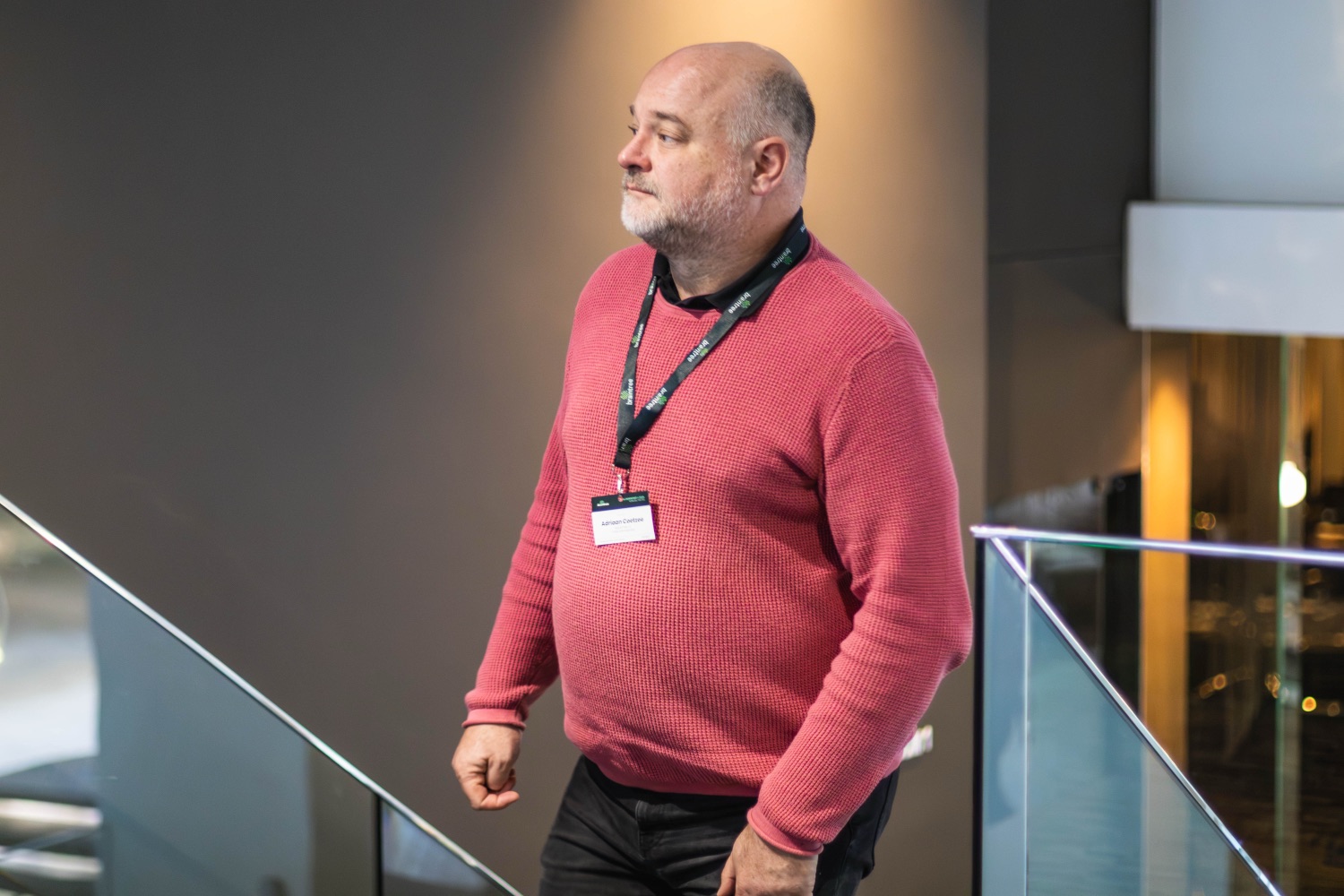
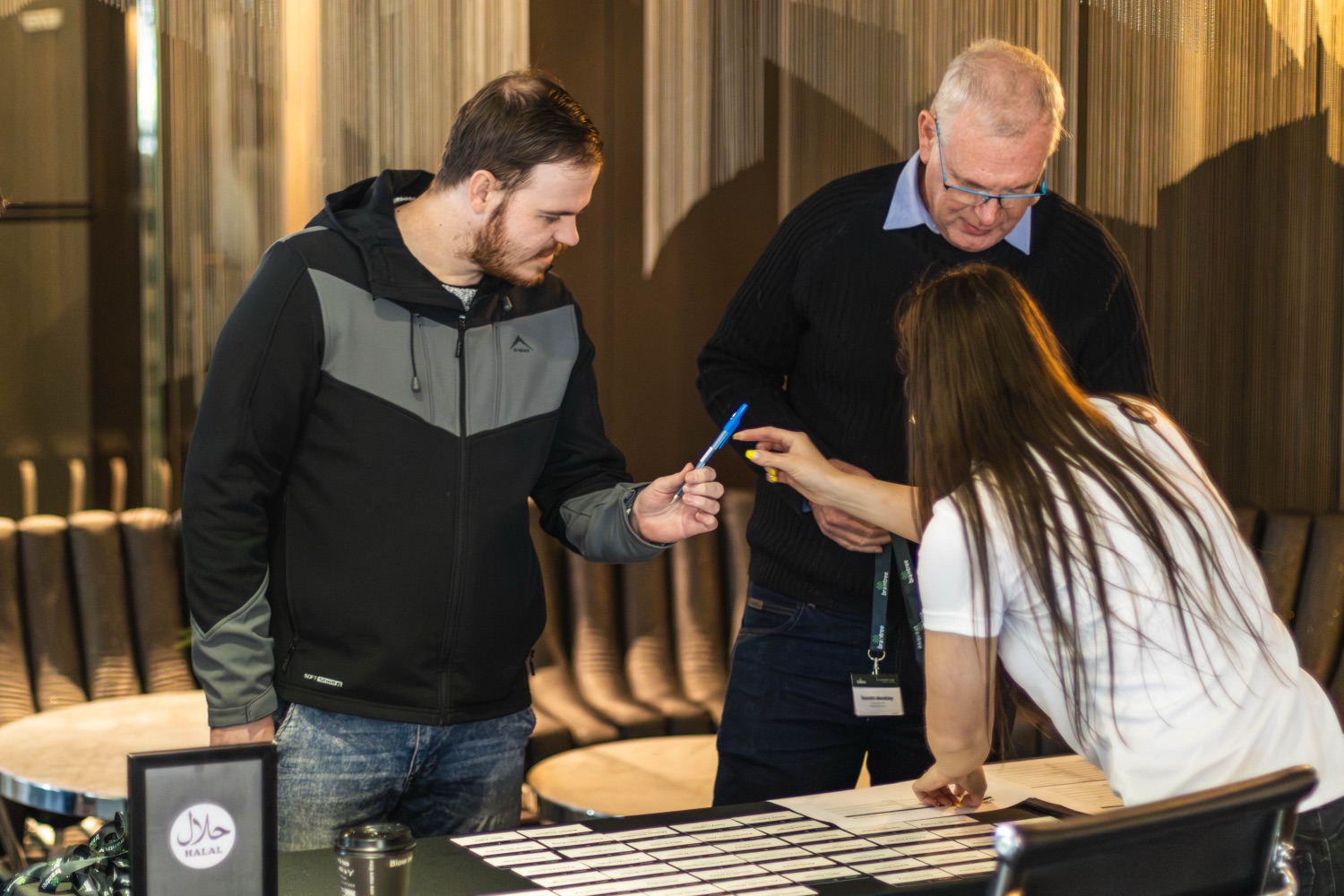
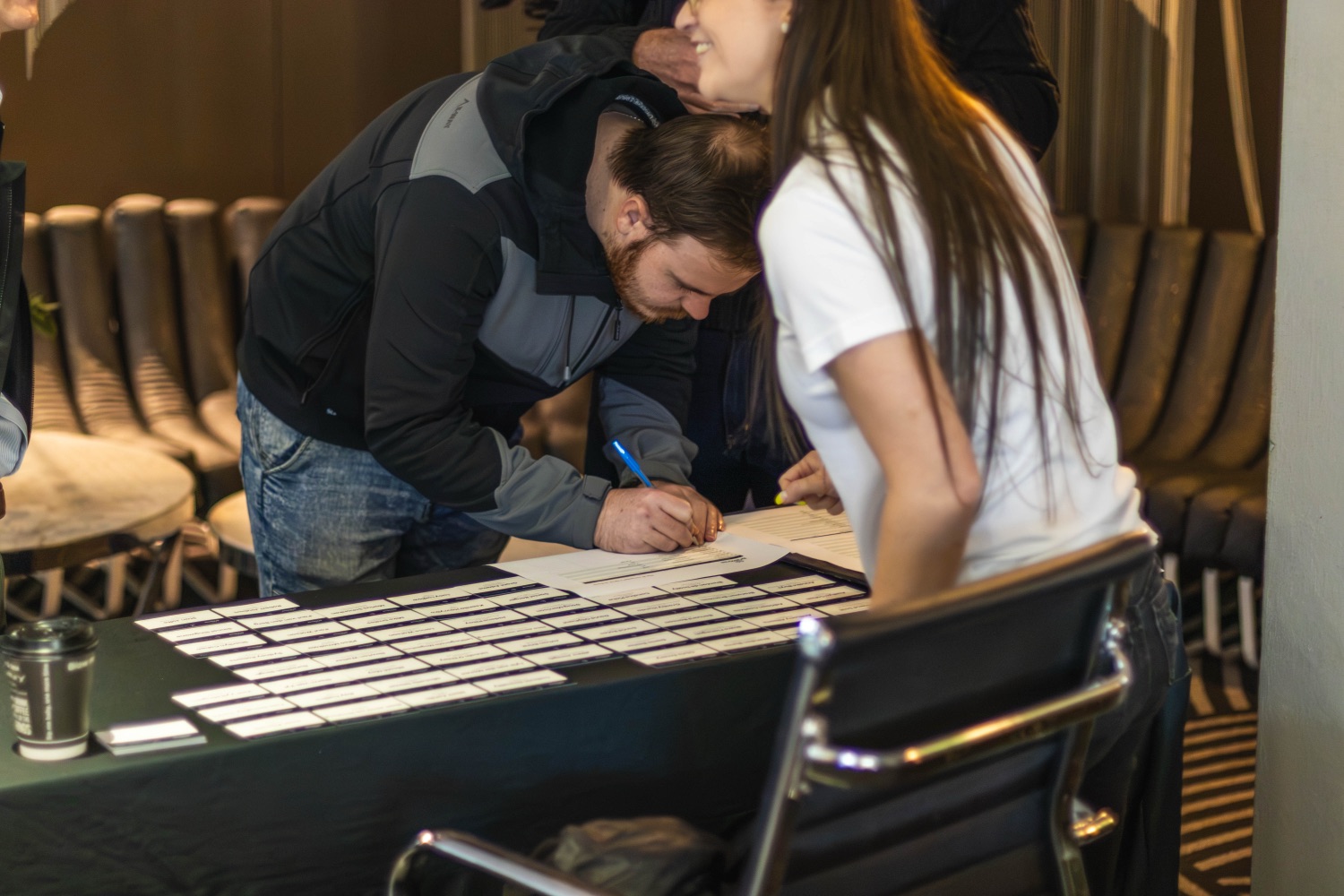
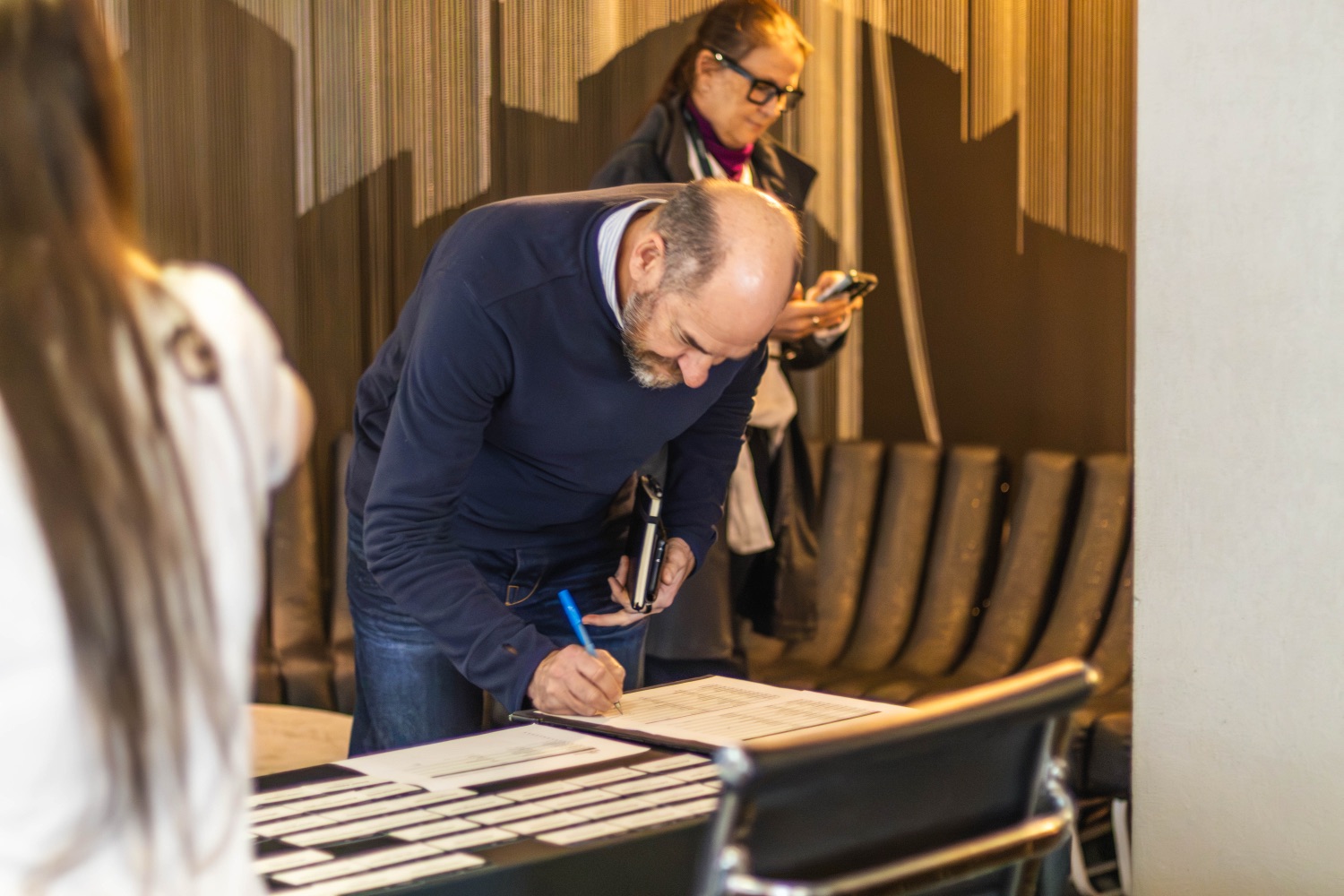
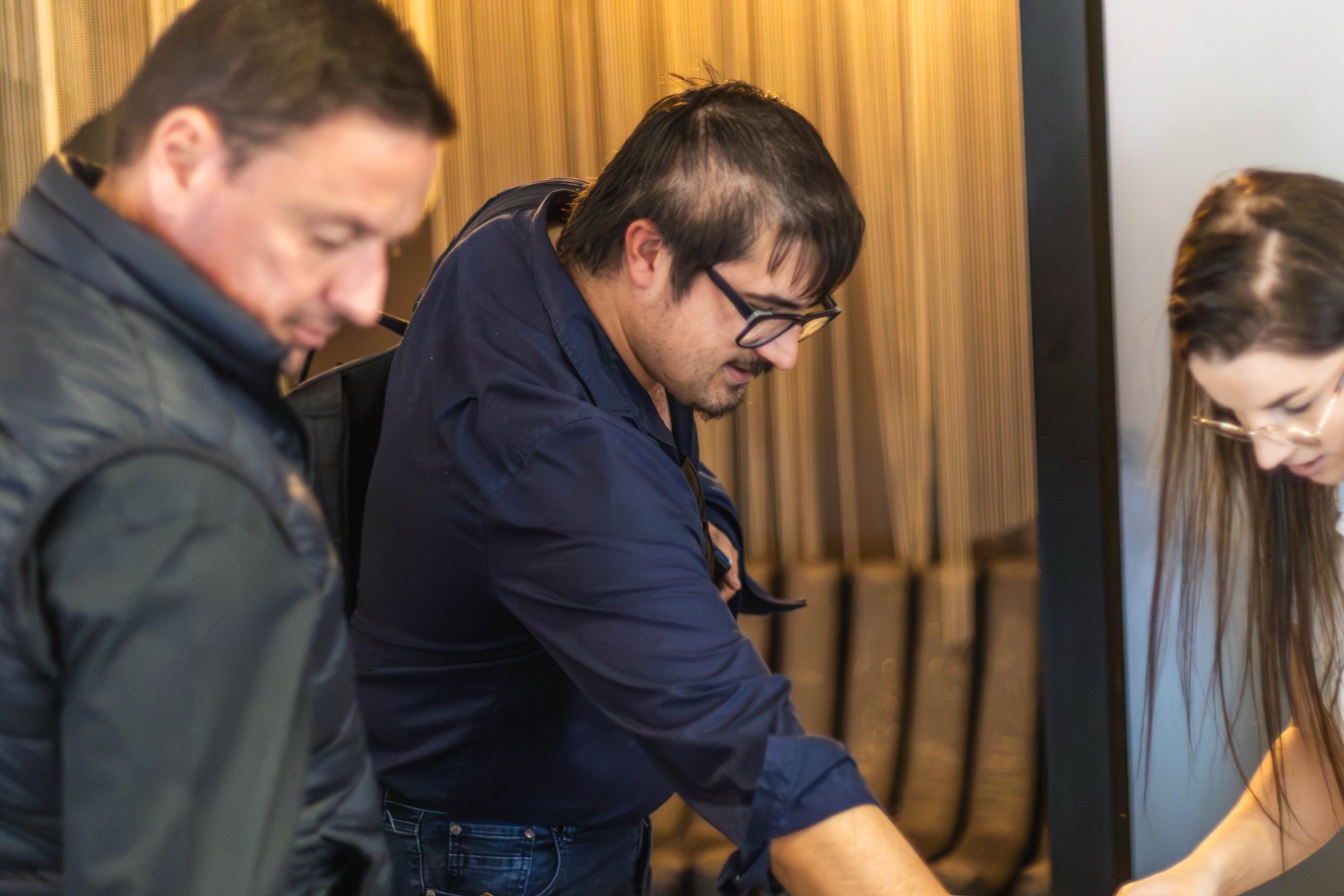
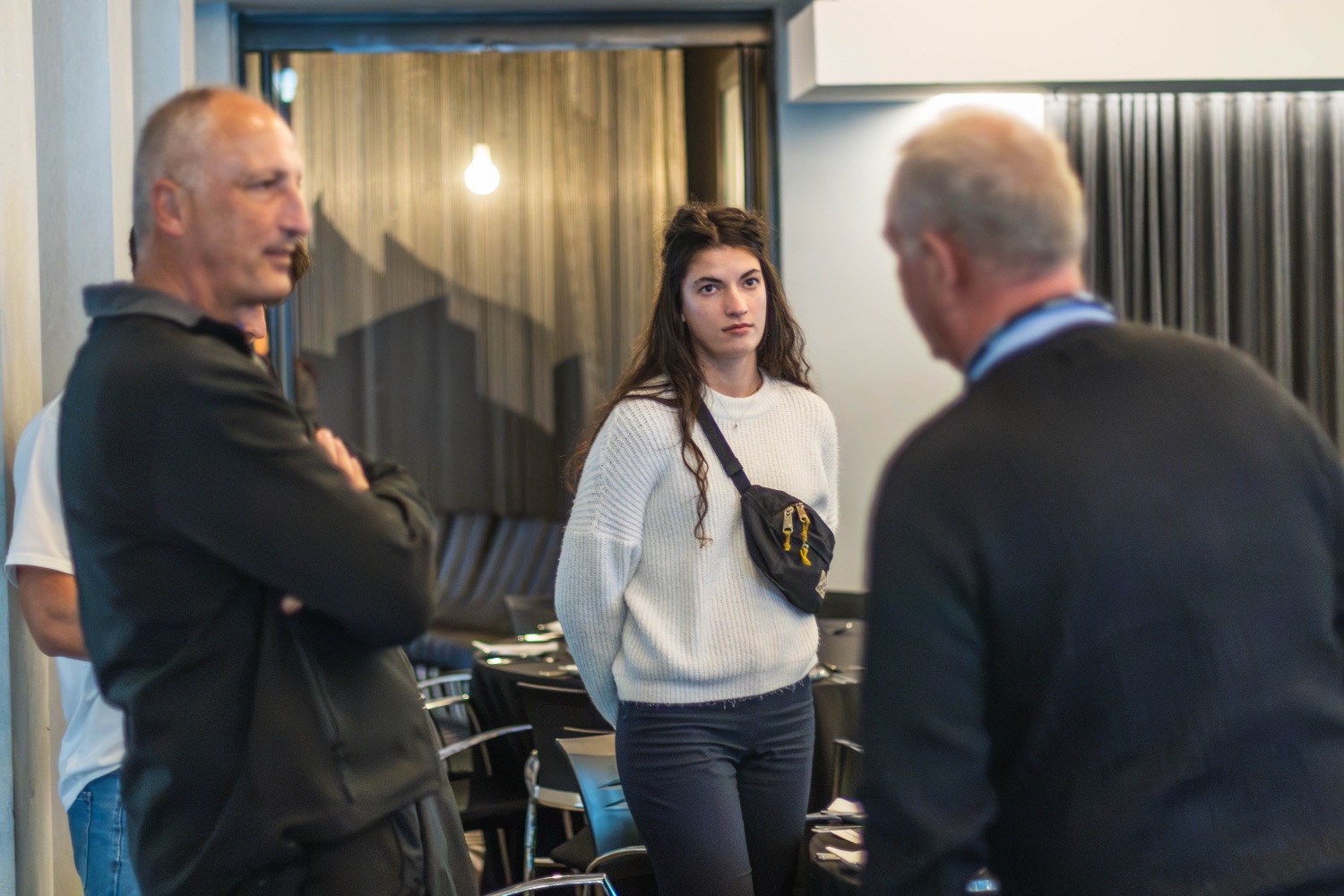
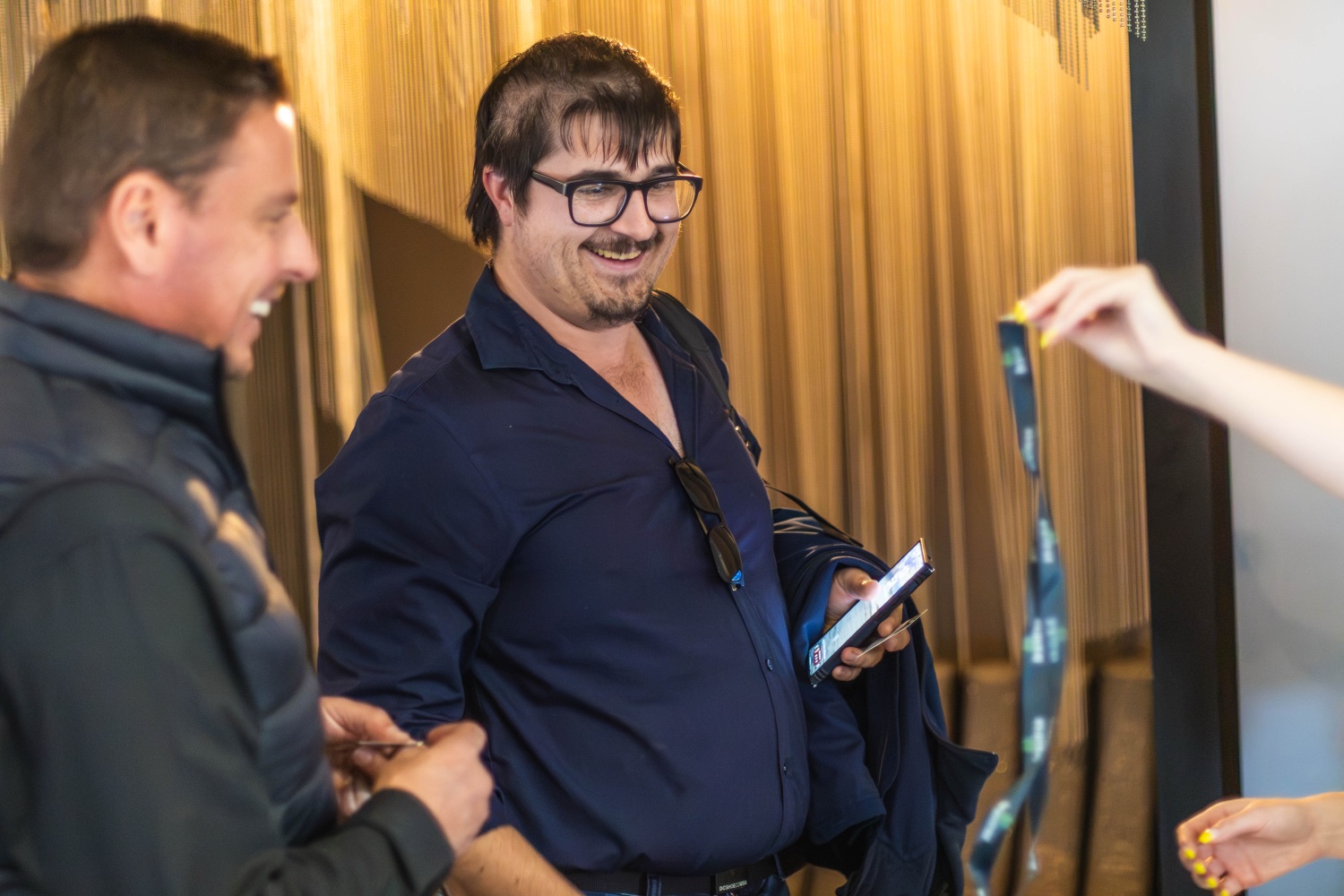
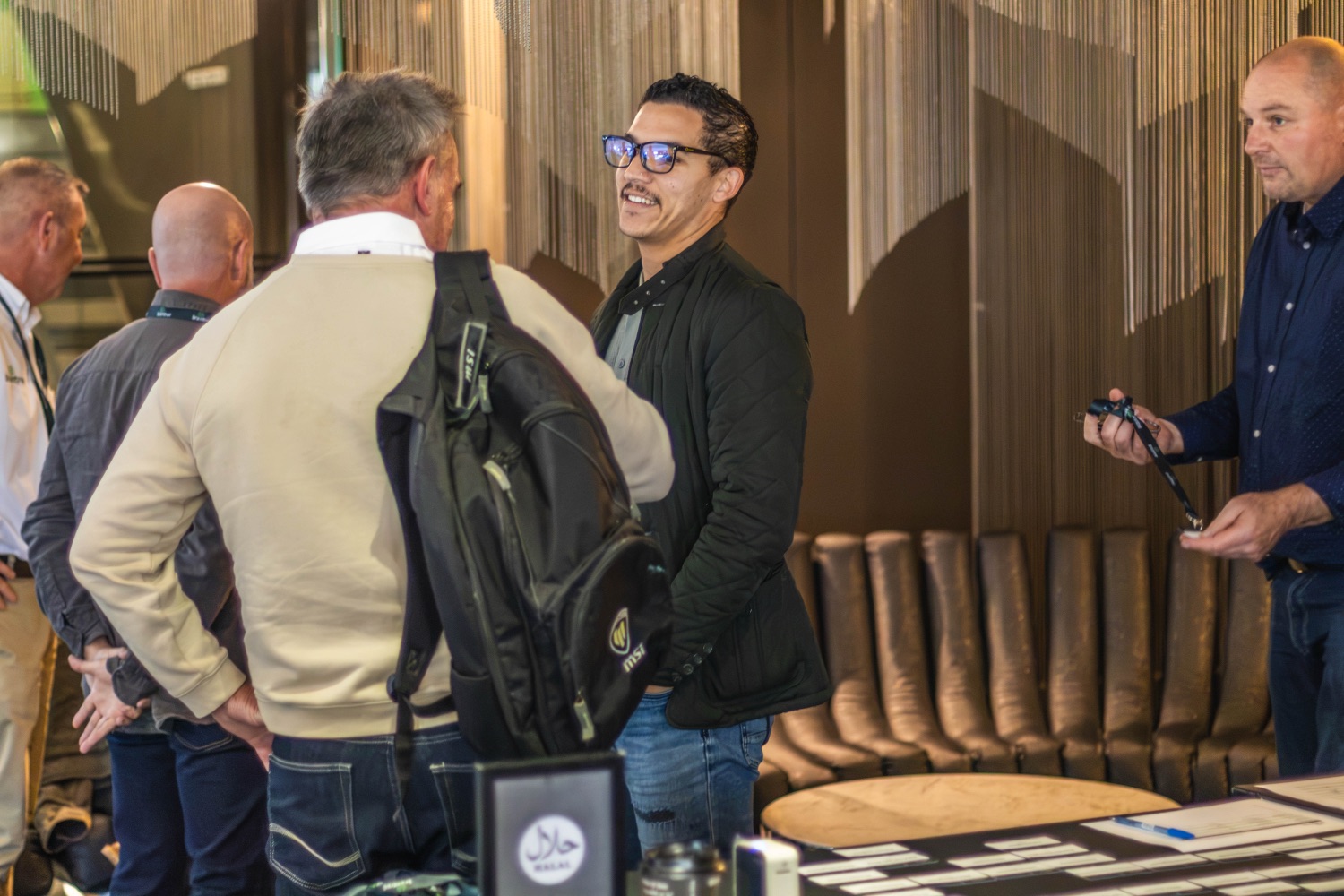
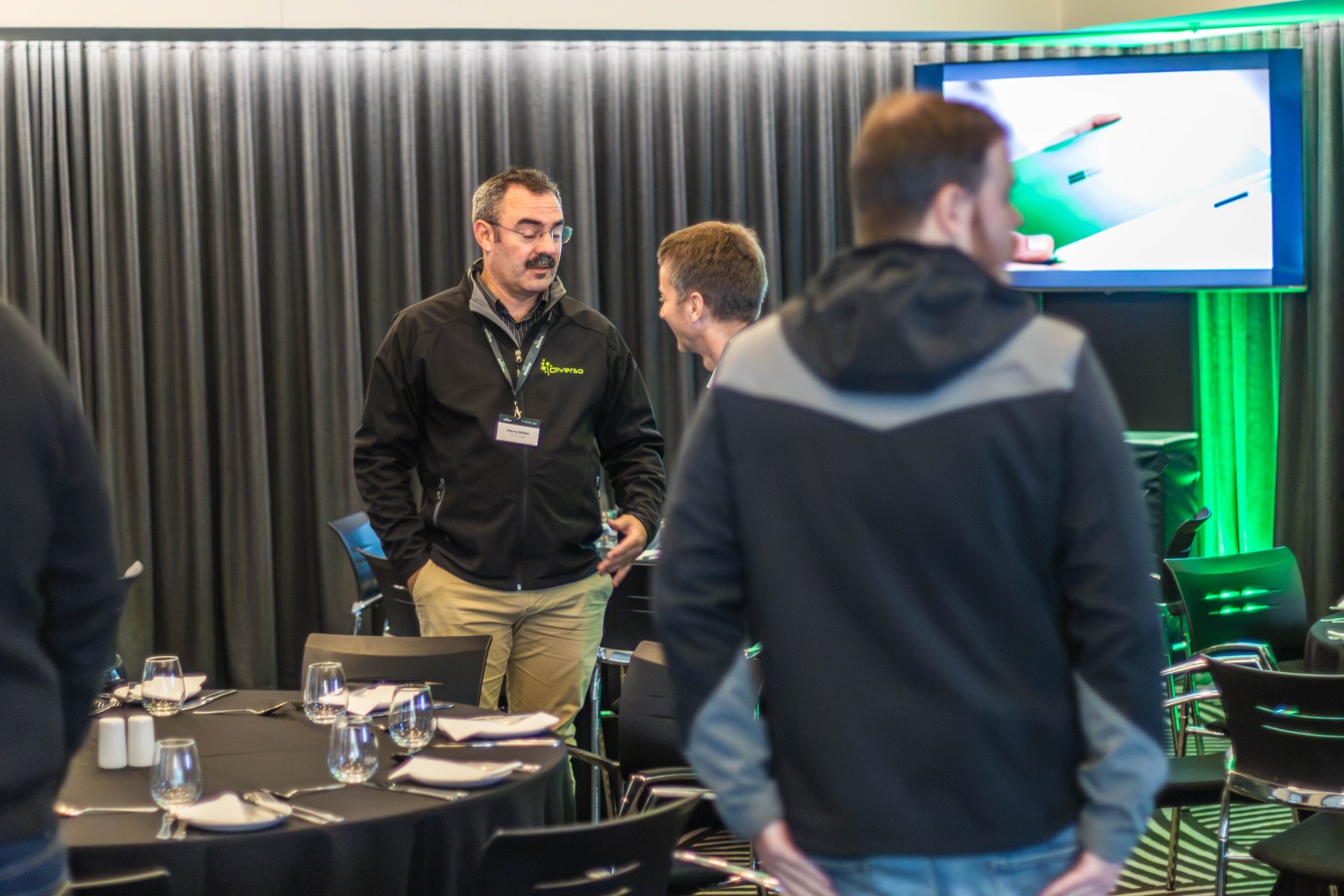
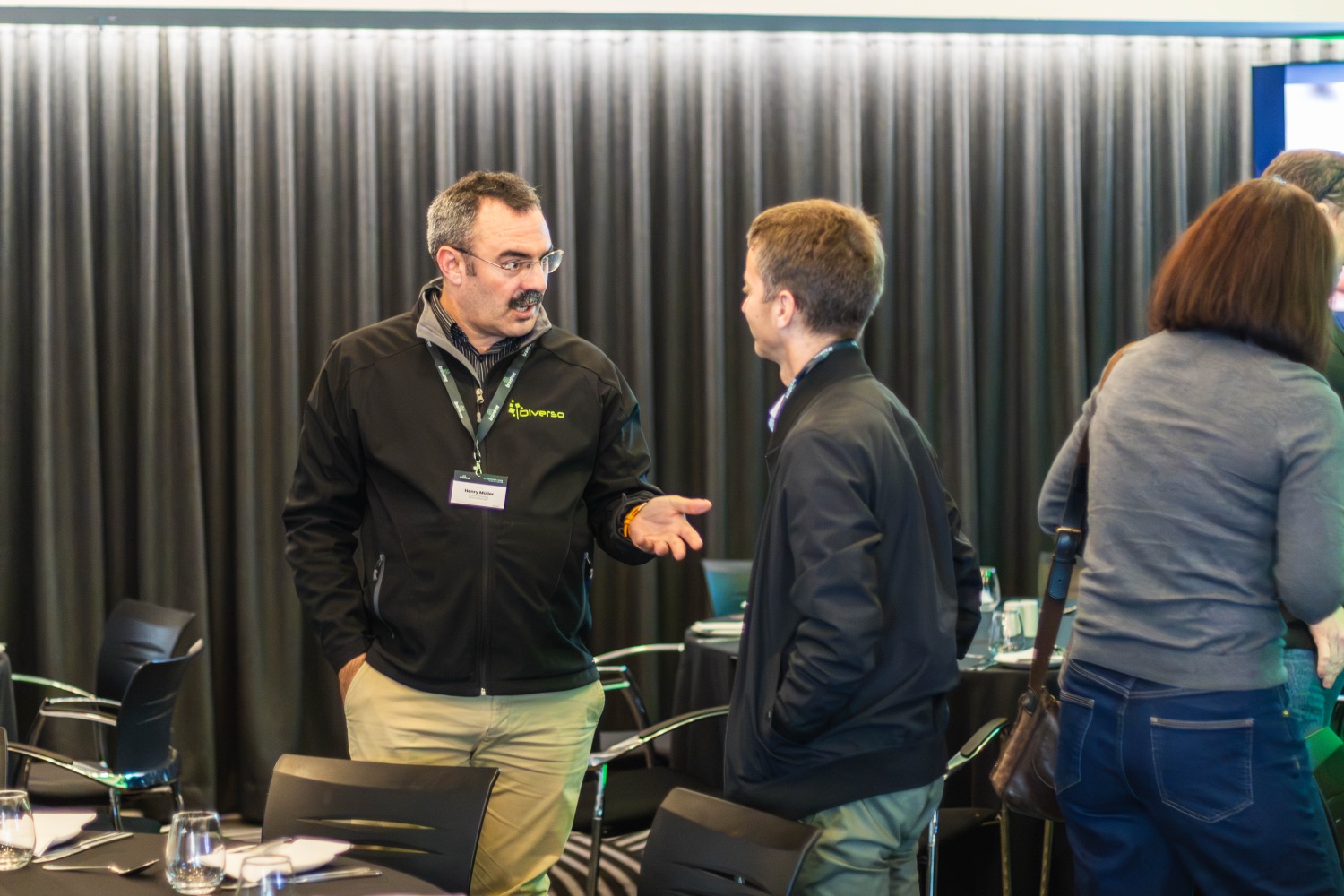
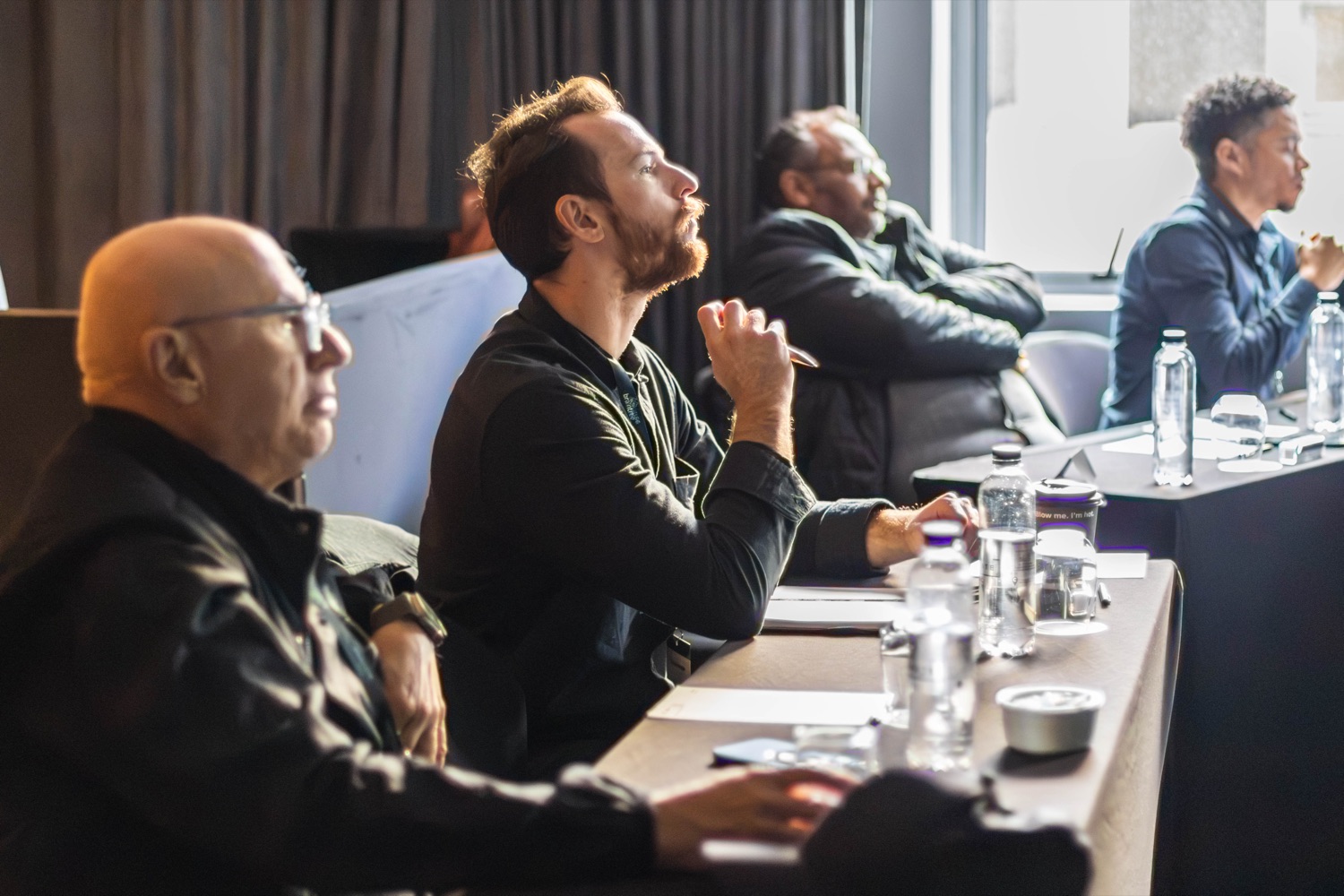
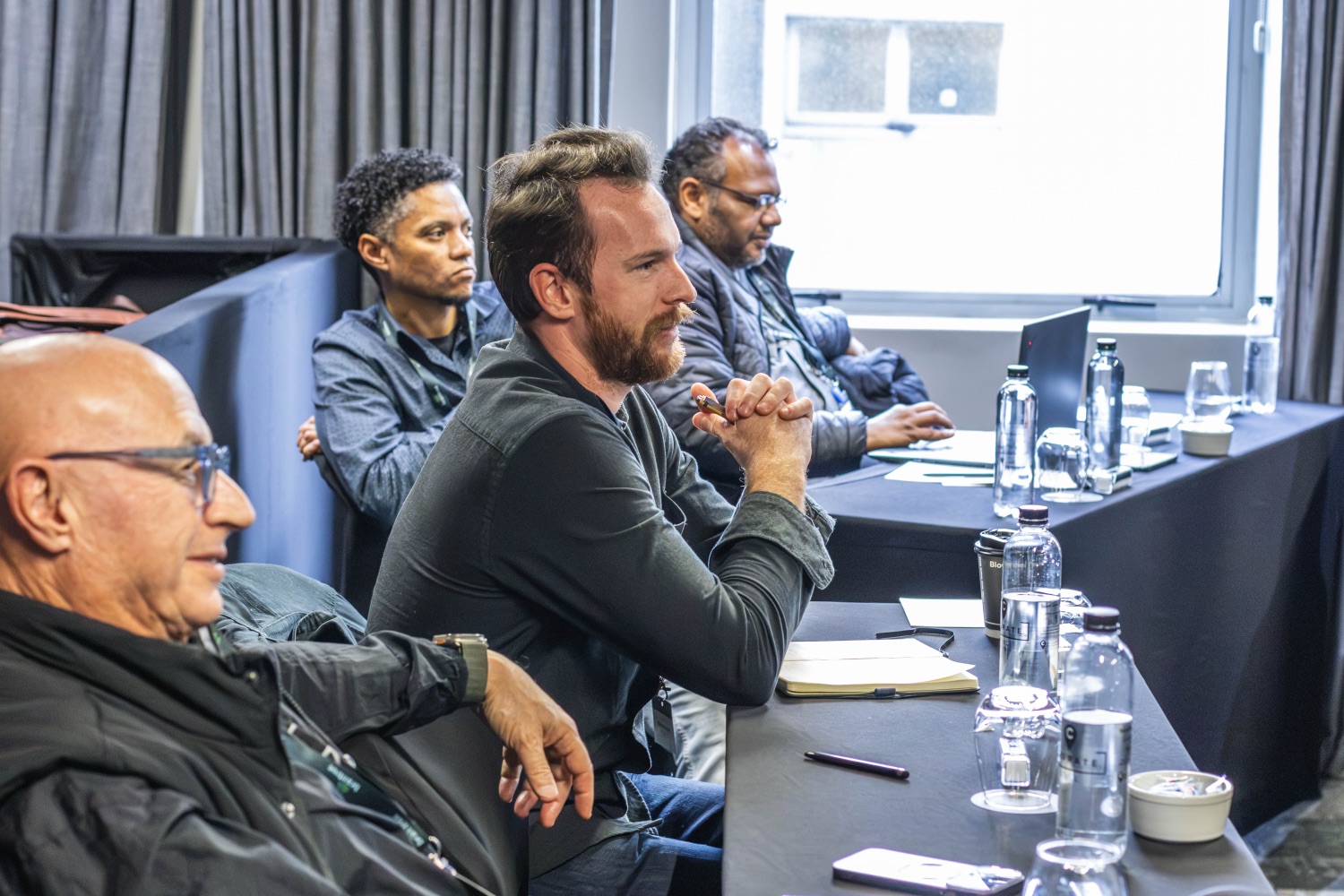
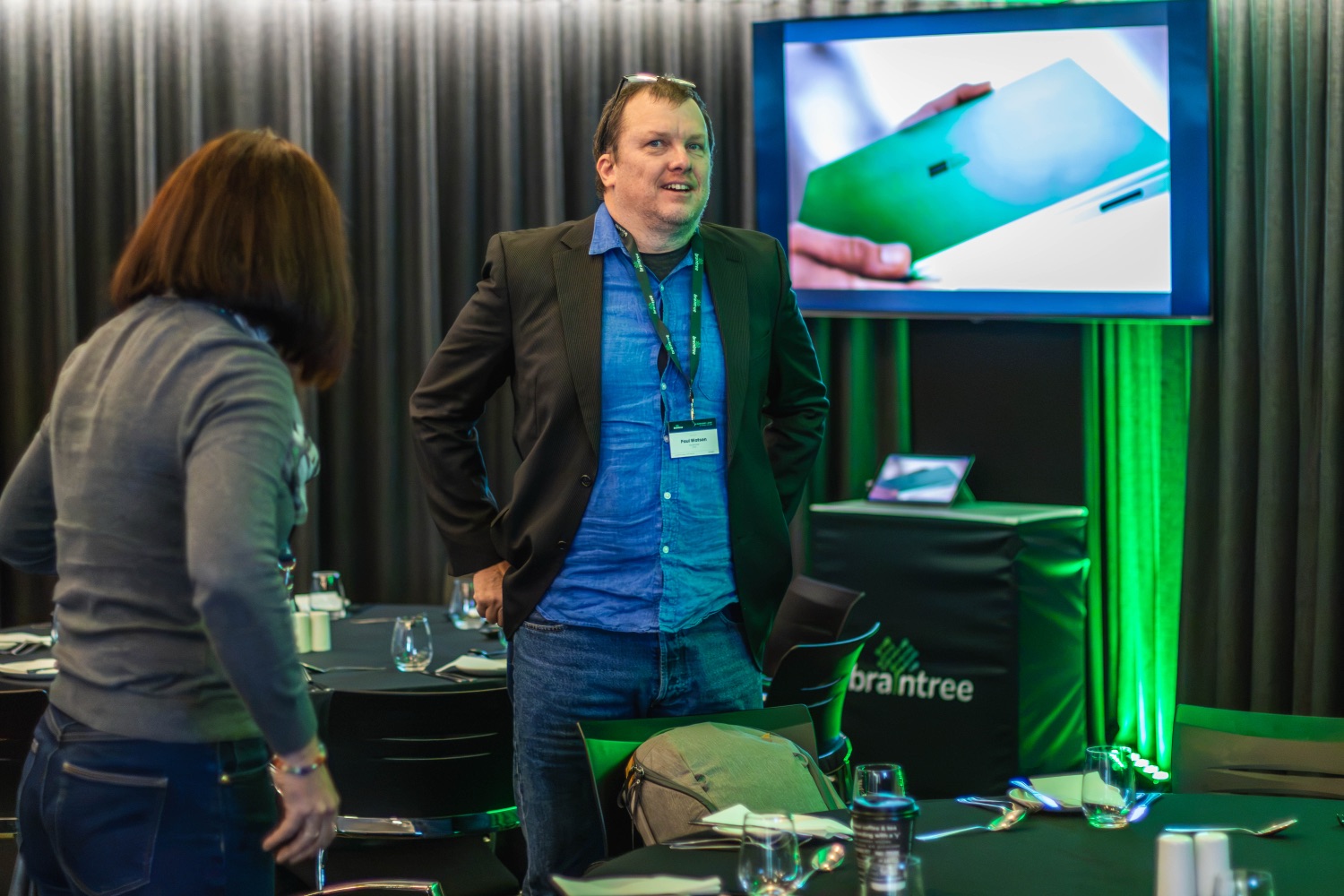
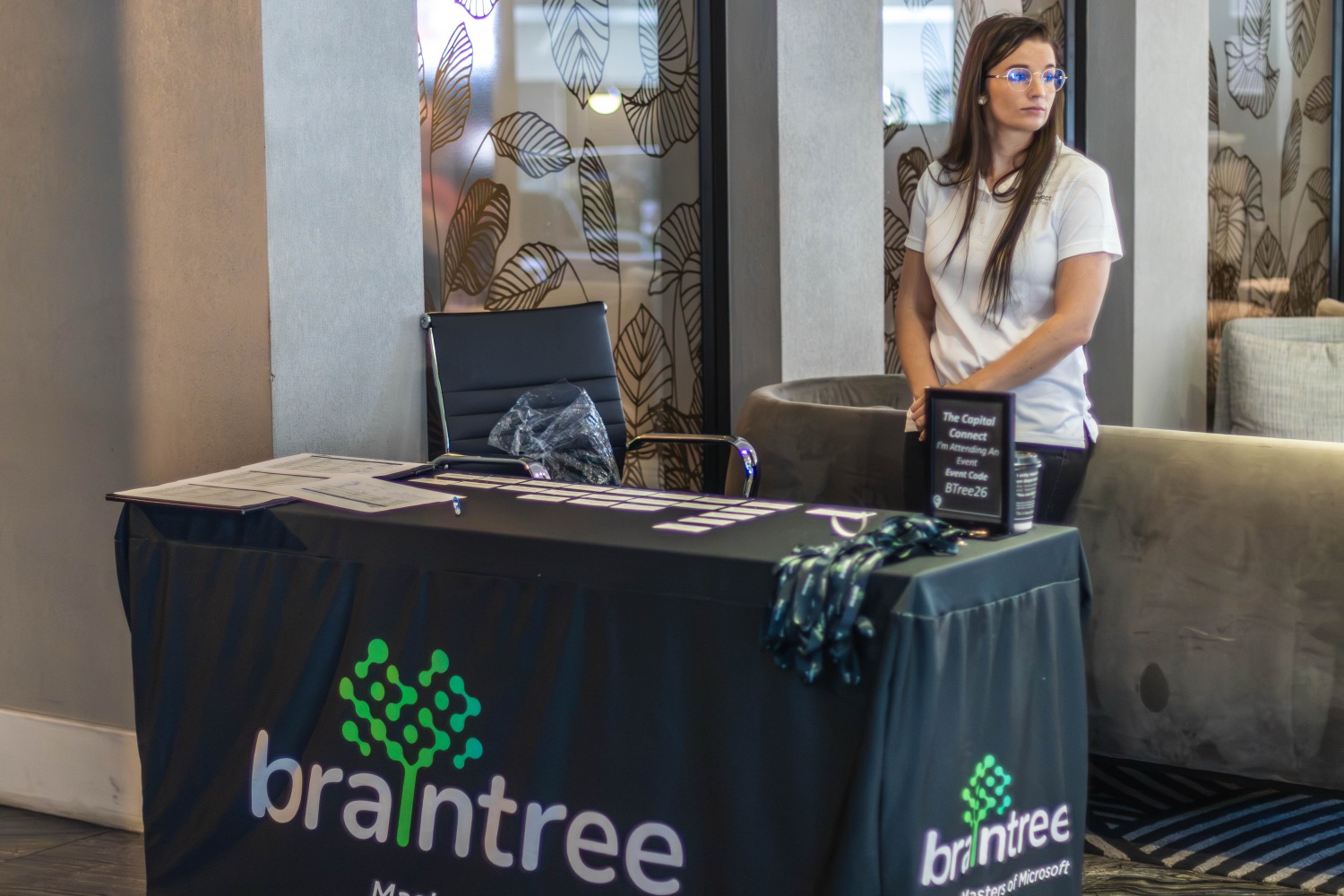
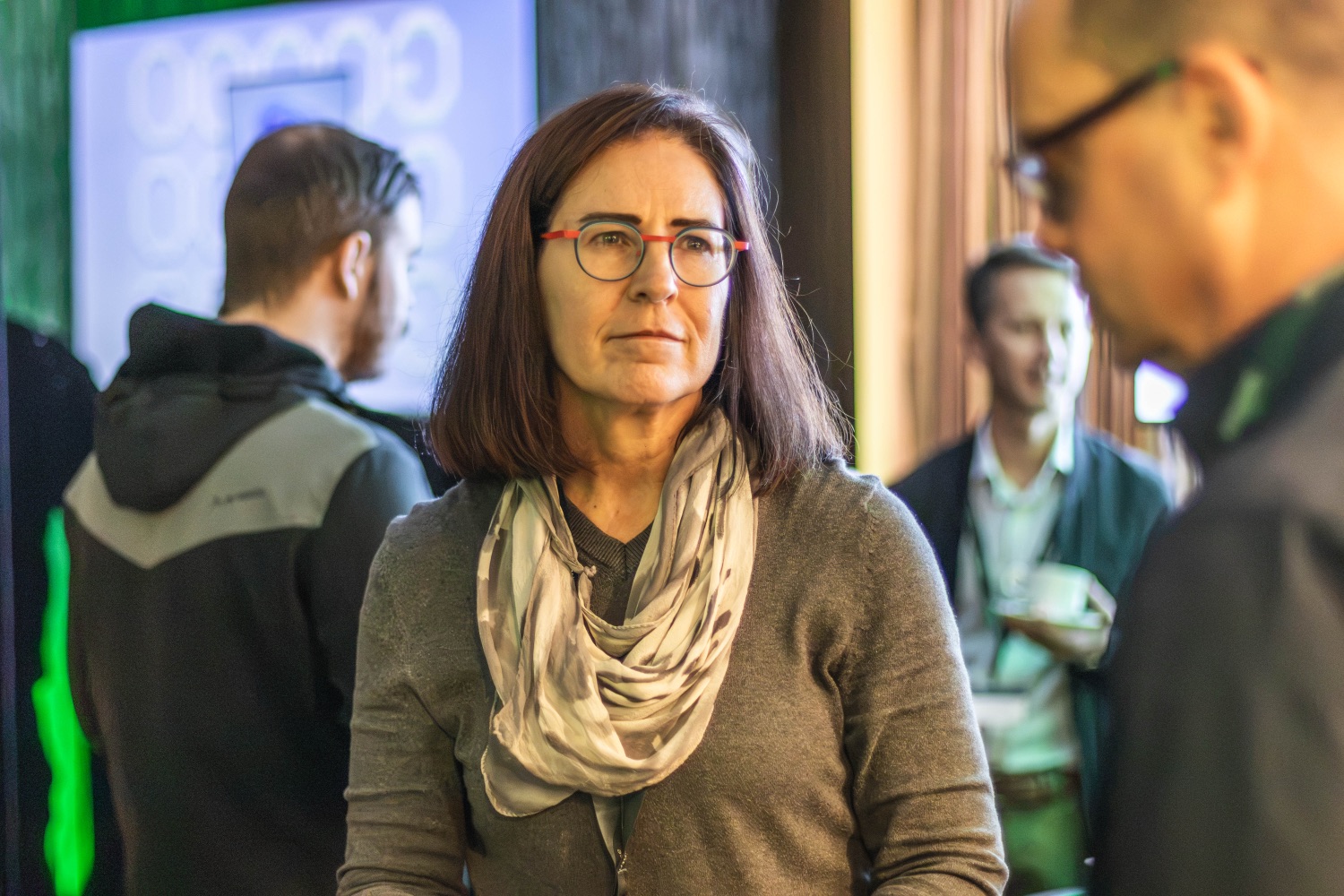
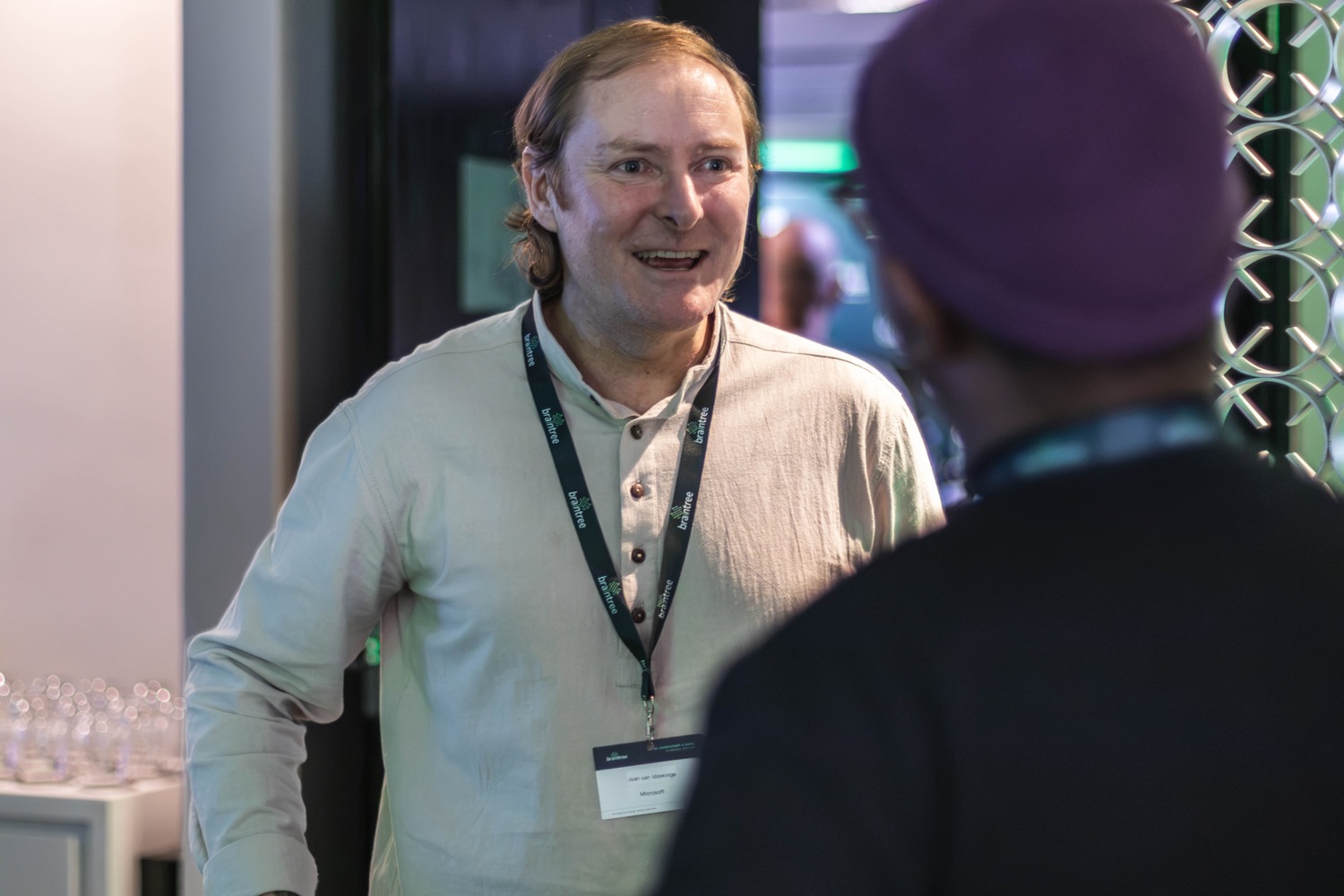
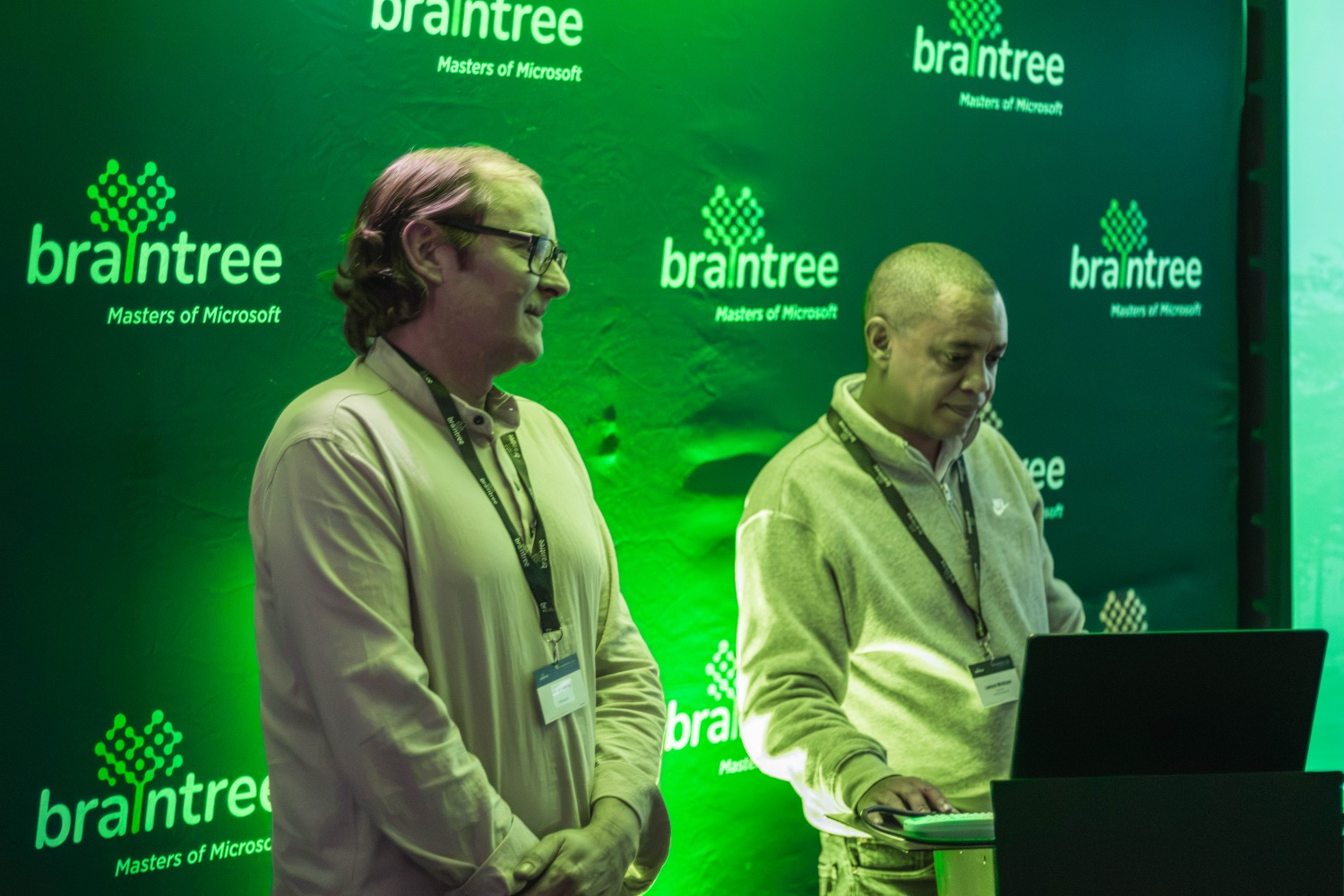
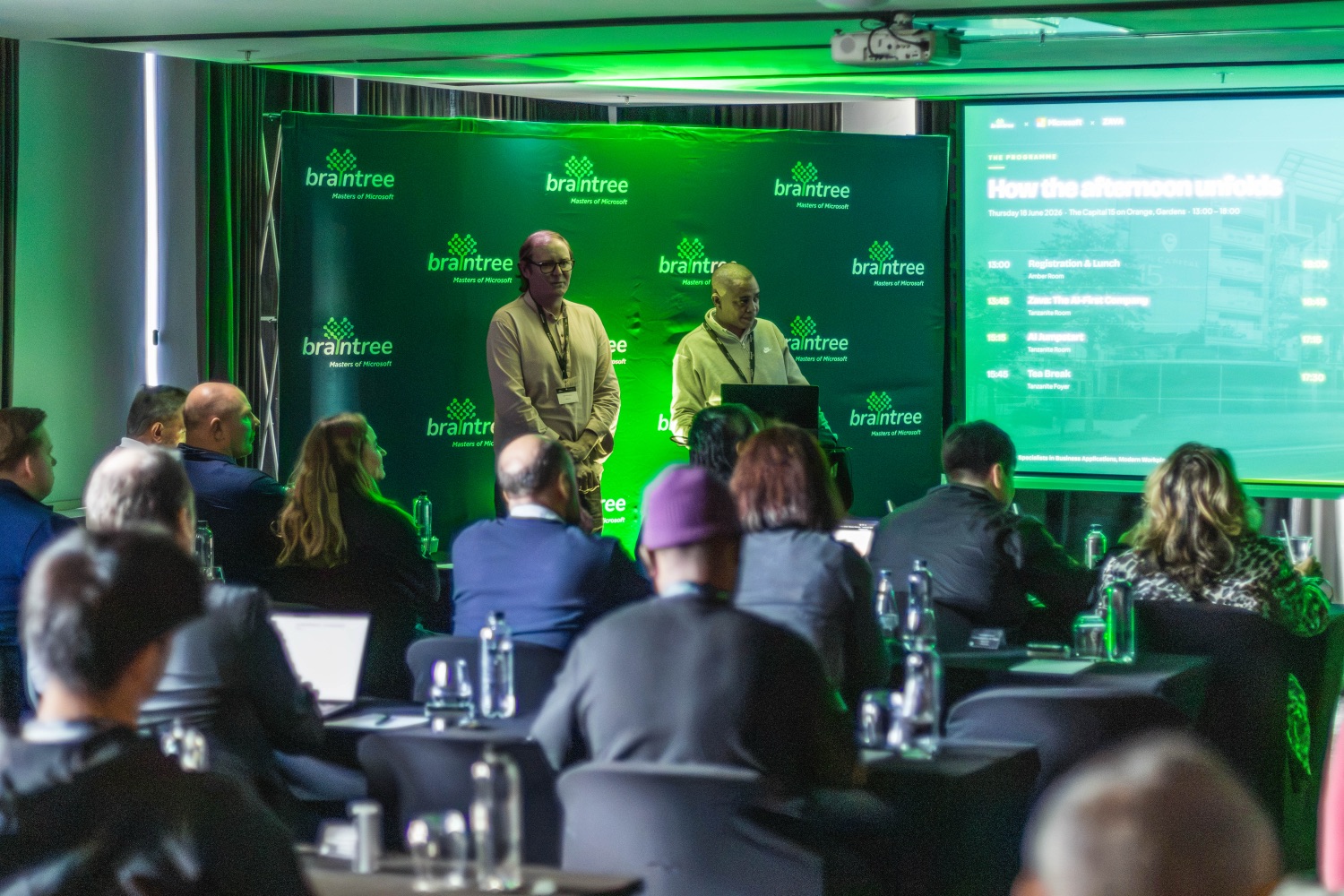
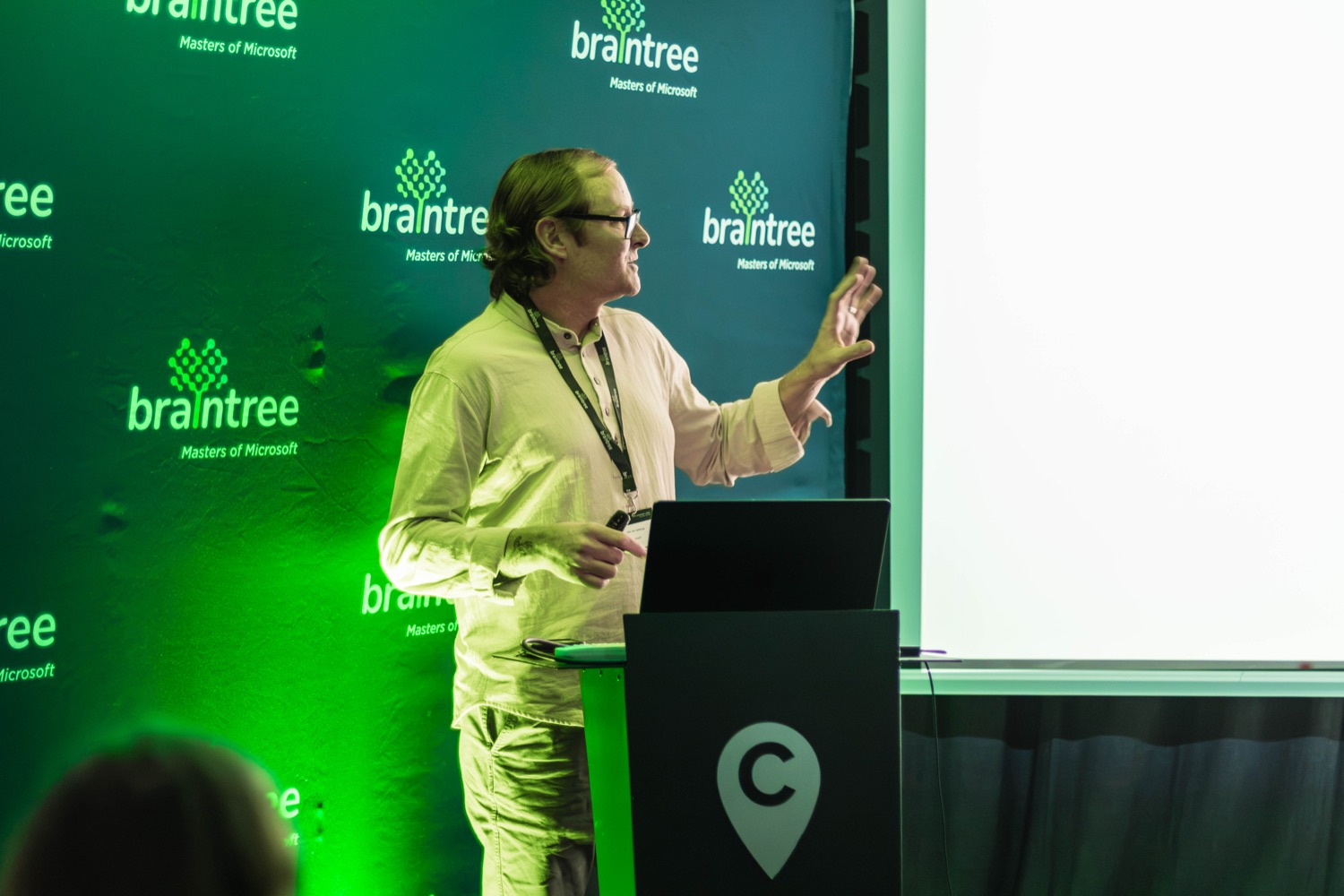
A closer look at the afternoon, from arrivals and registration through the sessions to the evening reception.





Bring AI Jumpstart to your business
AI Jumpstart is not only a public event. It is a three-hour working session we run directly with your team: a strategy review, an AI readiness assessment, and a roadmap to your first real AI workload. No seats, no waiting for the next public date.
By getting in touch you agree to be contacted about this request in line with our privacy policy.
Let's grow.
Related Events
Where our customers have been finding their way to next.